

President Donald Trump has announced plans to impose additional tariffs on Canada, holding the country responsible for failing to contain widespread wildfires that are flooding parts of the United States with dangerous smoke and threatening public health.
The escalating situation has already affected air quality across multiple states from the Midwest to the Northeast, prompting health warnings, flight disruptions, and advice for millions of residents to limit outdoor activities.
Widespread Smoke Impact on US Cities
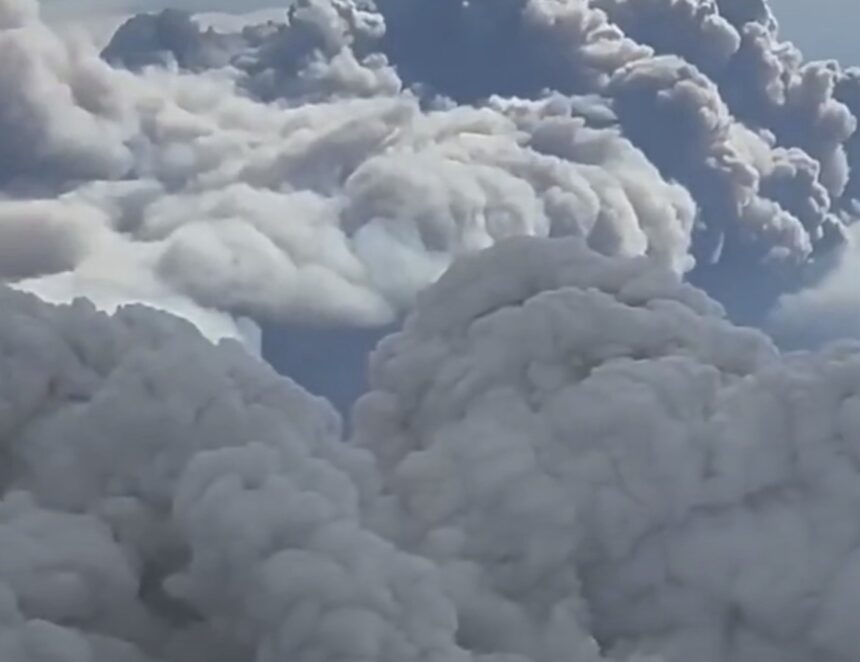
Hundreds of wildfires are burning across Canada, with the majority concentrated in northwestern Ontario. As of mid-July 2026, reports indicate more than 800–900 active fires, many out of control. Smoke has drifted south, creating hazy conditions and elevated pollution levels in cities including Detroit, Chicago, New York, and others.
Air quality monitors have recorded hazardous readings in several locations, with some areas experiencing their worst pollution in years. The smoke has reduced visibility, disrupted aviation, and led to cancellations of outdoor events.
More Read

Trump’s Response and Tariff Threat
In a direct statement, President Trump described the smoke as an “unnecessary invasion” of “filthy, polluted, and unhealthy air.” He accused Canada of “willful negligence” in forest management and debris removal, calling it a recurring annual problem that costs the United States billions of dollars.
Trump stated that these pollution-related costs “must of necessity be added to the tariffs Canada is currently paying.” He indicated he would contact Canadian Prime Minister Mark Carney to demand action on the fires.
More Read
Sen. Bernie Moreno Files Sanctions Legislation
Senator Bernie Moreno (R-Ohio) announced he is introducing legislation to sanction Canada and specific Canadian officials over the wildfire-related air quality crisis impacting Ohio and the Great Lakes region.
The proposed bill would require the President to assess harm to U.S. air quality from Canadian wildfires and impose sanctions on responsible officials. Measures include holding certain Canadian assets, blocking visas, and declaring the Canadian ambassador unwelcome in the U.S. Moreno highlighted failures in wildfire prevention, including insufficient forest thinning, fuel reduction, and prescribed burns.
The legislation targets accountability for PM Mark Carney and Ontario Premier Doug Ford, whom Moreno said could have taken stronger steps to contain the blazes.
Canadian Context and Response
Canada reports ongoing investments of approximately $12 billion in sustainable forest management and fire prevention since 2020. Officials have described the wildfires as a shared cross-border challenge requiring continued U.S.-Canada cooperation, noting constant communication and joint efforts on firefighting.
More Read

Broader Implications
This development adds new tension to U.S.-Canada trade relations, already shaped by existing tariffs. It underscores long-standing debates over forest management practices, climate factors, and cross-border environmental responsibility.
The situation continues to evolve as smoke patterns shift and firefighting efforts progress on both sides of the border. Residents in affected U.S. regions are urged to monitor local air quality alerts and follow health guidance from authorities.
For the latest updates on air quality and wildfire status, check official sources such as the EPA, Environment Canada, or local news outlets.