

Washington, D.C. — A senior CIA operations officer told Congress under oath that intelligence analysts repeatedly concluded the COVID-19 pandemic most likely began with a laboratory incident in Wuhan, China, but that those findings were suppressed, altered, or withheld from policymakers and the public.
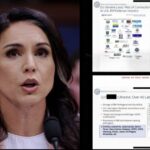
James E. Erdman III, a decorated 20-year veteran of the Central Intelligence Agency, appeared before the Senate Homeland Security and Governmental Affairs Committee on May 13, 2026. His testimony, delivered pursuant to a subpoena, painted a picture of internal pressure, retaliation against dissenting analysts, and external influence from public health officials that shaped the intelligence community’s public messaging on the virus origins.
The Core Allegations
Erdman stated that between 2021 and 2023, CIA scientific analysts assessed a lab leak as the most probable explanation for the emergence of SARS-CoV-2. He claimed these conclusions were repeatedly buried, softened, or rewritten by agency leadership.
“Intelligence community leaders and senior analysts downplayed the possibility that the COVID pandemic originated as a result of a lab incident,” Erdman said in his opening statement. “Intentional or not, the IC’s actions resulted in a cover-up, wasted resources, and a failure to properly inform policymakers.”
He described instances where analysts who stood by the lab-leak assessment faced retaliation. Reports were allegedly altered overnight without clear explanation, shifting the agency’s position toward a “non-call” or uncertain judgment. As late as August 2021, the agency considered publicly endorsing a lab origin, only to reverse course days later.29
More Read

Erdman also pointed to the role of Dr. Anthony Fauci, the former director of the National Institute of Allergy and Infectious Diseases. He alleged that Fauci influenced the intelligence community’s analytic process by steering consultations toward experts with potential conflicts of interest tied to gain-of-function research funding.
Fauci had approved grants that supported work at the Wuhan Institute of Virology. Critics, including committee Chairman Sen. Rand Paul (R-Ky.), have long argued this created an irreconcilable conflict. How could Fauci objectively evaluate evidence pointing to a lab accident when his agency helped fund the research there?
Context of the Lab Leak Debate
The lab-leak hypothesis was dismissed early in the pandemic as a conspiracy theory by many prominent scientists and officials. A letter published in The Lancet in early 2020 condemned such suggestions. Social media platforms labeled related content as misinformation. Yet over time, evidence mounted.
More Read

The Wuhan Institute conducted research on bat coronaviruses. Safety concerns at the facility had been documented. The virus’s furin cleavage site raised questions among some virologists about natural evolution. Several U.S. intelligence agencies and the FBI eventually assessed a lab origin as likely.
Erdman’s testimony aligns with earlier whistleblower accounts. In 2023, another CIA officer alleged that analysts were offered financial incentives to change their views. The pattern suggests systemic resistance to the lab-leak explanation during the Biden administration.
After the 2024 election, the outgoing administration directed the CIA to issue a final assessment. Erdman suggested this was more about closing the book than pursuing new intelligence.
Reactions and Fallout
Committee Chairman Rand Paul, who has pursued COVID origins for years, called the hearing a step toward accountability. “Government secrecy cannot become government impunity,” he said. Paul released additional documents showing Fauci’s long-standing ties to the intelligence community dating back to 2003.
Democrats on the committee pushed back. Some viewed the hearing as political theater designed to revisit settled debates. Sen. Claire McCaskill questioned the timing and motives.
The CIA itself rejected the claims. A spokesperson called the proceedings politically motivated and defended the agency’s analytic integrity. No immediate retaliatory action against Erdman has been reported, and the committee sent a formal letter to CIA Director John Ratcliffe demanding protection for the witness.
More Read

Public health experts remain divided. Many still favor a natural zoonotic spillover, pointing to wildlife markets in Wuhan. Others say the lab-leak theory deserves serious consideration but warn against conflating accidental release with deliberate bioweapon claims.
Broader Implications
This testimony arrives years after the height of the pandemic, which claimed millions of lives worldwide and reshaped global economies. Questions linger about transparency, scientific integrity, and the intersection of public health and national security.
Erdman called for stronger oversight of gain-of-function research, clearer definitions of what constitutes such work, and better protections for intelligence whistleblowers. He urged Congress to review federally funded life sciences projects to prevent future risks.
The hearing fits into a larger pattern of post-pandemic reckonings. Investigations into vaccine development, lockdowns, and treatment protocols continue. Trust in institutions eroded during the crisis, and revelations like these may deepen skepticism.
Yet caution is warranted. Erdman’s account, while sworn, represents one insider’s perspective. Independent verification of specific claims about document alterations or retaliation will require further review by inspectors general or additional witnesses. No criminal charges have resulted from these allegations as of mid-2026.
Lingering Questions
Why did early consensus form so quickly against the lab-leak idea? What role did funding relationships play in shaping expert opinions? Did political considerations influence intelligence assessments during a highly polarized time?
Erdman suggested analysts followed the science but faced institutional headwinds. His decision to testify, he said, came at personal risk after internal efforts failed.
As more documents surface and potential additional whistleblowers emerge, the full story of COVID-19’s origins may yet come into sharper focus. For now, the testimony adds fuel to a debate that refuses to fade, reminding Americans that accountability in government often arrives late and remains incomplete.