

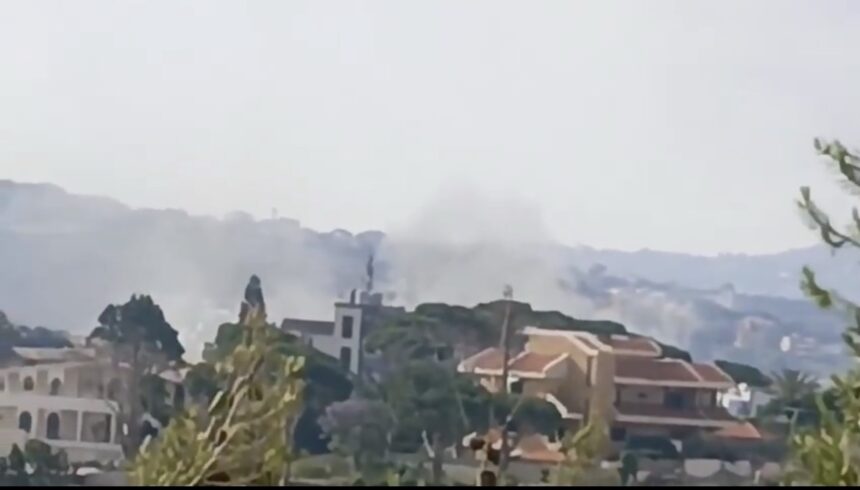
Israeli military operations escalated sharply in southern Lebanon on Saturday, with airstrikes and drone attacks hitting multiple towns just one day before a landmark peace agreement between the United States and Iran is expected to take shape. The timing has raised questions about whether the moves represent last-minute efforts to reshape the battlefield before diplomacy locks in new constraints.
Reports indicate strikes on the town of Khiam in the Marjayoun district, drone activity over Qasiba in the Nabatieh area, and additional attacks on al-Sarirah in the Jezzine district. These actions follow a pattern of renewed Israeli pressure on Hezbollah positions in the south amid a fragile broader regional ceasefire.
Fresh Strikes Target Key Southern Areas
The attacks come after Israeli forces issued wide evacuation orders for more than 20 locations across the Nabatieh and Jezzine districts earlier on Saturday. Residents in affected zones received instructions to leave immediately, citing ongoing threats from Hezbollah infrastructure.
Khiam, a town with a history of cross-border tensions, saw direct hits that sent smoke rising over the area. Drone strikes focused on Qasiba, while multiple rounds of fire landed in al-Sarirah. Lebanese sources described the operations as part of a sustained campaign to disrupt militant movements and supply lines close to the border with Israel.
More Read

These incidents build on earlier rounds of violence that have killed civilians and damaged homes throughout the spring and early summer. Rescue teams and local authorities continue to assess damage and casualties from the latest wave.
Background of the Israel-Hezbollah Front
The current fighting forms one thread in a longer conflict between Israel and Hezbollah that intensified after October 2023 and carried into 2026. Hezbollah, supported by Iran, has maintained rocket and drone capabilities aimed at northern Israeli communities. Israel has responded with airstrikes, artillery, and limited ground incursions aimed at pushing Hezbollah fighters away from the border and destroying launch sites.
More Read
A U.S.-brokered ceasefire framework for Lebanon has held unevenly since earlier this year. Both sides have accused each other of violations, with Israel pointing to continued Hezbollah activity and Lebanese officials highlighting civilian harm from Israeli operations. The southern districts of Nabatieh, Marjayoun, and Jezzine have borne much of the brunt, with repeated evacuation orders forcing tens of thousands to flee.
U.S.-Iran Talks Approach Potential Breakthrough
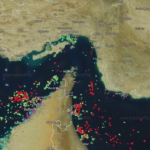
Parallel to the Lebanon fighting, high-level negotiations between Washington and Tehran have advanced rapidly in recent days. U.S. and Iranian officials, with mediation from Pakistan and Qatar, have reached a draft memorandum of understanding that could extend the existing ceasefire by 60 days and open pathways for talks on Iran’s nuclear program, sanctions relief, and the reopening of the Strait of Hormuz.
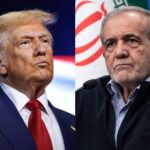
President Donald Trump has expressed optimism that a deal could be signed as early as Sunday, possibly in Europe. Iranian Foreign Minister Abbas Araghchi described the text as closer than ever while cautioning that final details remain under discussion. Pakistani Prime Minister Shehbaz Sharif stated that a final agreed text has been reached, though both capitals have stressed that nothing is fully locked in.
The proposed framework would address immediate security concerns in the Gulf while setting the stage for longer-term negotiations. However, differences persist over Lebanon. Iran has insisted that any broader agreement must include a durable ceasefire there, while the U.S. has treated the Israel-Hezbollah front as a separate issue.
Israeli Calculations Before a Possible Deal
More Read

Israeli leaders have made clear they intend to continue operations against Hezbollah regardless of progress in U.S.-Iran talks. Officials argue that degrading the group’s military infrastructure now strengthens Israel’s position for any future diplomatic arrangement on Lebanon’s southern border. Past ceasefires have often left Hezbollah with the ability to rearm and reposition, according to Israeli assessments.
The current wave of strikes may therefore serve dual purposes: immediate tactical gains against rocket and drone threats, and a signal that Israel will not accept a deal that freezes the status quo on its northern frontier. Analysts note that similar pre-diplomatic surges have occurred in past conflicts when one side senses negotiations could limit its freedom of action.
Humanitarian Strain on Southern Lebanon
The renewed fighting adds to an already severe humanitarian situation. Large parts of southern Lebanon remain depopulated after repeated evacuation orders and strikes. Families who returned during earlier lulls have again packed up and moved north toward Beirut or safer inland areas.
Medical facilities and civil defense teams operate under pressure, responding to both new strikes and the lingering effects of earlier damage. International aid organizations have warned that continued escalation risks overwhelming shelters and stretching resources thin as summer approaches.
Lebanese political figures across factions have called for restraint, emphasizing that civilians should not pay the price for unresolved regional disputes. Some have urged the Lebanese government and international mediators to accelerate talks on a comprehensive border arrangement.
Broader Regional Stakes
A U.S.-Iran agreement would mark the most significant diplomatic development since the 2026 conflict began. Reopening the Strait of Hormuz could ease pressure on global oil supplies and shipping lanes that have faced disruptions. Progress on nuclear issues might reduce the risk of wider escalation involving multiple actors.
Yet the Lebanon theater remains a potential spoiler. If Israeli operations intensify further, they could test Iranian willingness to finalize the deal or prompt retaliatory steps from Hezbollah. Conversely, a signed agreement might create new leverage for outside powers to press both Israel and Hezbollah toward a lasting truce.
Talks between Israel and Lebanon on a more permanent settlement are reportedly scheduled for later this month. How the next 48 hours unfold on the ground in places like Khiam, Nabatieh, and Jezzine could shape the starting point for those discussions.
The coming days will test whether military momentum on one front can coexist with diplomatic momentum on another, or whether one will ultimately constrain the other. For residents of southern Lebanon, the immediate priority remains safety amid uncertainty over what comes next.