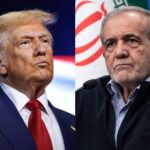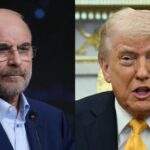


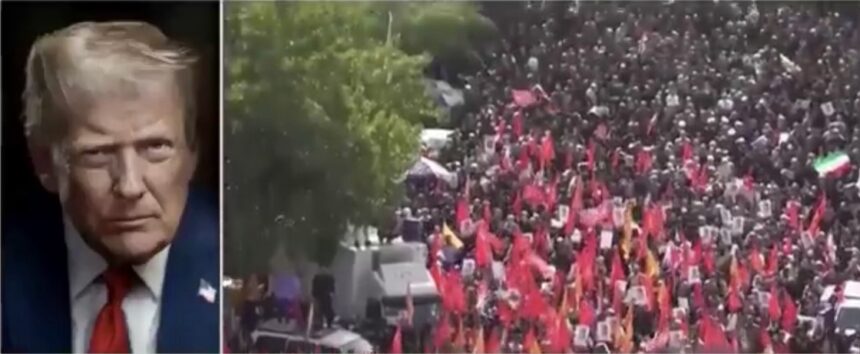
President Donald Trump has issued a pointed message directly to the people of Iran, emphasizing American support while navigating ongoing tensions between the United States and the Iranian regime.
“Our country wants to help you, and we want to see it all work out. We have people ready, willing, and able… that’s up to you. God bless Iran,” Trump stated.
The appeal highlights a strategy of speaking past Iranian leadership to connect with ordinary citizens, signaling potential U.S. backing for the Iranian population amid calls for change.
Ongoing U.S.-Iran Conflict Provides Backdrop
This message arrives as U.S.-Iran relations remain strained following the 2025 “Twelve-Day War” involving Israel and Iran, during which American strikes targeted Iranian nuclear sites. While a ceasefire was declared at the time, recent developments show the truce has collapsed.
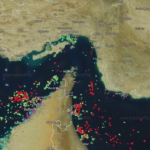
Key recent actions include renewed U.S. strikes, Iranian responses in the region, and firm statements from Trump. These encompass warnings of devastating retaliation if Iran attempts any harm against him, plans for a naval blockade in the Strait of Hormuz, and remarks suggesting U.S. interests in Iranian resources such as oil, gold, food, and gas.
More Read

Trump has previously addressed Iranians directly during periods of domestic unrest, urging protesters and indicating that assistance could be forthcoming.
Implications of the Outreach
The statement blends an offer of partnership with the Iranian people and implicit pressure on the regime. Phrases like “that’s up to you” underscore that any support hinges on developments within Iran itself.
This approach fits into a broader pattern of combining public diplomacy with military and economic leverage. Control of the Strait of Hormuz; vital for global oil flows adds significant stakes, with potential impacts on energy markets and regional stability if tensions rise further.
More Read
Observers note the dual messaging: goodwill toward civilians alongside strong posturing against leadership in Tehran. How Iran’s population and government respond could shape the next phase of U.S.-Iran engagement and wider Middle East dynamics.
As events unfold rapidly, the situation warrants close monitoring for any shifts toward de-escalation or heightened confrontation.