

Washington, D.C. – June 30, 2026 — In a major Supreme Court birthright citizenship ruling, the U.S. Supreme Court today upheld automatic citizenship for children born in the United States, regardless of their parents’ immigration status. The 6-3 decision firmly rejected President Donald Trump’s executive order aimed at ending birthright citizenship for children of undocumented immigrants and temporary visa holders.12
This landmark SCOTUS birthright citizenship decision reaffirms the long-standing interpretation of the Fourteenth Amendment’s Citizenship Clause and has immediate implications for immigration policy, national security debates, and future legislative efforts.
What Did the Supreme Court Decide on Birthright Citizenship?
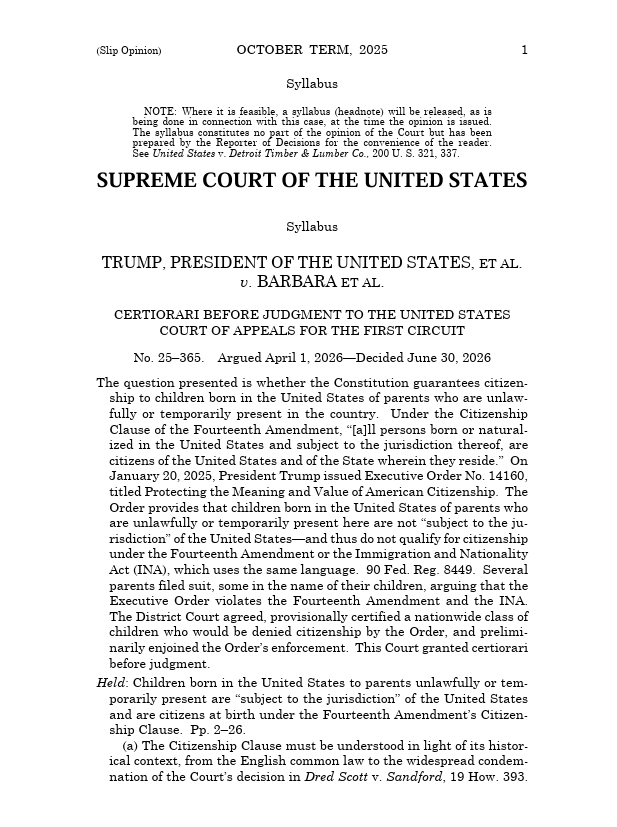
In a major landmark ruling on June 30, 2026, the Supreme Court of the United States struck down President Donald Trump’s Executive Order 14160, which had attempted to end automatic birthright citizenship for children born in the country to unlawfully or temporarily present noncitizens. In a 6–3 decision in the case Trump v. Barbara, the Court reaffirmed over a century of legal history, holding that the Citizenship Clause of the Fourteenth Amendment guarantees citizenship at birth to virtually anyone born on American soil.
Source: Supreme Court of the United States (Slip Opinion, No. 25-365)
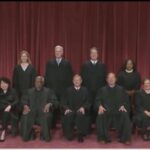
In Trump v. Barbara, Chief Justice John Roberts authored the majority opinion, joined by Justices Sotomayor, Kagan, Barrett, and Jackson. Justice Kavanaugh concurred separately.
The Court ruled: Children born in the U.S. to parents who are unlawfully present or temporarily in the country are “subject to the jurisdiction” of the United States and therefore citizens at birth under the Constitution.
The decision strikes down Trump’s January 2025 executive order, which sought to deny automatic citizenship documents in such cases. Lower courts had already blocked the order, calling it unconstitutional.
More Read

Key Takeaway: The ruling preserves jus soli (right of the soil) birthright citizenship in the United States, consistent with over 125 years of precedent from United States v. Wong Kim Ark (1898).
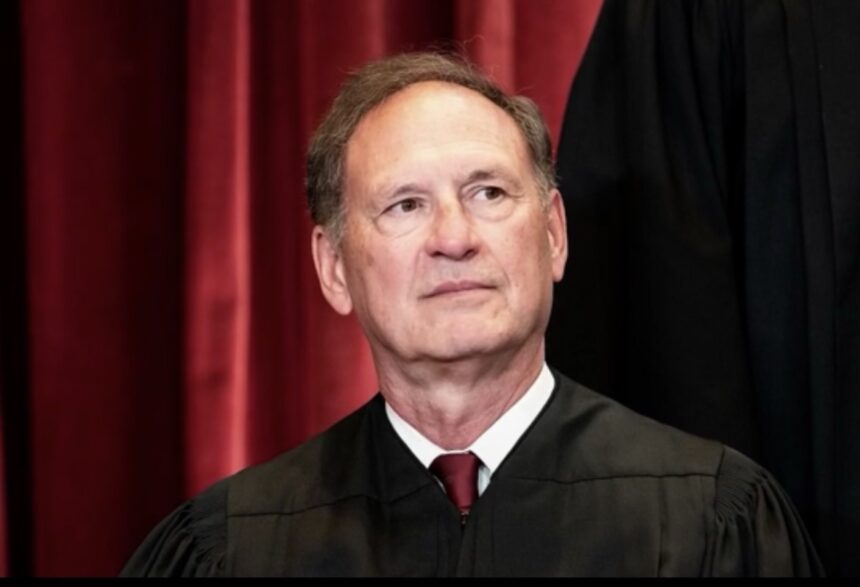
Justice Alito’s Strong Dissent: National Security Warnings
Justices Clarence Thomas, Samuel Alito, and Neil Gorsuch dissented. Justice Alito’s dissent raised sharp concerns about the ruling’s real-world consequences, particularly for national security.18
Alito highlighted a troubling hypothetical:
More Read

“Suppose that country is a strategic adversary or enemy of the United States. Suppose the child never visited the United States and was inculcated with hatred of this country… According to this court, THAT person is a citizen of the United States…even if he plots to harm this country, he cannot be deprived of his status as a citizen, at least under current precedent!”
Critics of the majority opinion argue this Supreme Court birthright citizenship ruling creates a significant vulnerability, potentially allowing automatic citizenship in cases involving children of foreign agents or adversarial nations raised with anti-American views. Supporters counter that it upholds core constitutional principles and prevents statelessness.
Background: Trump’s Birthright Citizenship Executive Order
On his first day of his second term in January 2025, President Trump issued Executive Order 14160, titled “Protecting the Meaning and Value of American Citizenship.” It directed agencies to exclude children of undocumented immigrants and temporary visa holders from automatic citizenship, framing the move as a tool against illegal immigration and “birth tourism.”
Every federal court reviewing the order struck it down before implementation. The Supreme Court’s review became the final test of whether the executive branch could reinterpret the 14th Amendment without congressional or constitutional change.
Implications of the SCOTUS Birthright Citizenship Decision
- Immigration Policy: The ruling makes it harder for future administrations to limit birthright citizenship via executive action. Any broad changes would likely require a constitutional amendment.
- National Security: Dissenters warn of risks from “anchor babies” or citizenship granted in adversarial contexts.
- Legal Precedent: Reinforces Wong Kim Ark and limits executive overreach on constitutional interpretation.
- Political Reactions: Conservatives view it as a missed opportunity to reform incentives for illegal immigration. Progressives and immigration advocates hail it as a victory for constitutional rights.
What Happens Next?
Congress could still pursue legislation within constitutional bounds, or states may see related challenges. Observers expect ongoing debates about birthright citizenship reform in the 2026 midterms and beyond.
FAQ: Supreme Court Birthright Citizenship Ruling 2026
Q: Does the ruling grant citizenship to all babies born in the U.S.?
A: Yes, with narrow historical exceptions (e.g., children of foreign diplomats or invading enemy forces).
More Read
Q: Can Trump’s executive order be revived?
A: No. The Supreme Court’s decision invalidates it on constitutional grounds.
Q: What was Justice Alito’s main objection?
A: He argued the broad rule creates dangerous citizenship loopholes for children tied to enemy nations or those never domiciled in the U.S.
Q: How does this affect current immigration debates?
A: It solidifies birthright citizenship but intensifies calls for legislative or amendment-based reforms.
This Supreme Court birthright citizenship ruling 2026 marks one of the term’s most consequential decisions. For the full opinions, visit the official Supreme Court website.
This article will be updated with additional analysis and reactions as they emerge.