

CHARLOTTE — President Donald Trump has promised to bring back the glory days of North Carolina’s furniture industry, declaring that the state will once again become the undisputed “Furniture Capital of the World” as it was 25 to 30 years ago.
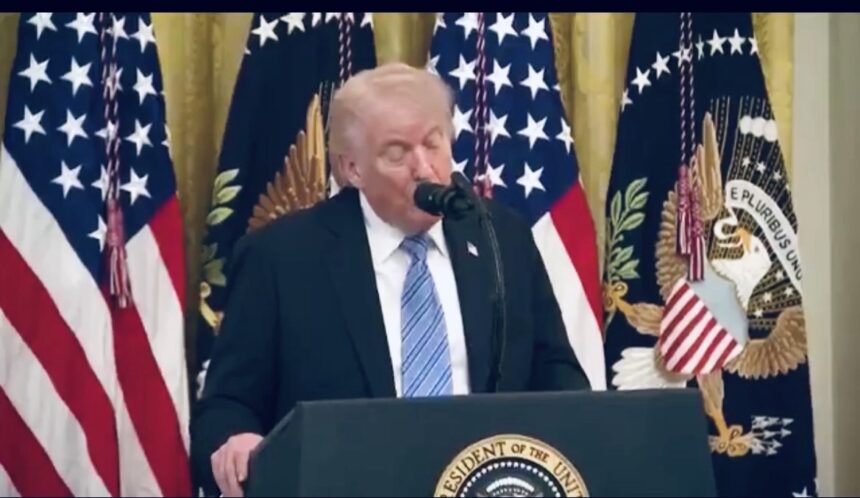
Speaking during a recent event, Trump said he intends to reverse decades of decline caused by cheap foreign imports. He specifically mentioned using higher tariffs and pro-manufacturing policies to revive factories and jobs that were lost when production moved overseas, primarily to Asia.
“We’ll bring furniture back to North Carolina, as strong as 25–30 years ago,” Trump stated, drawing applause from supporters who remember when the state was a powerhouse in American furniture manufacturing.
In the late 1990s and early 2000s, North Carolina employed tens of thousands of workers in high-quality furniture production. Companies like Thomasville, Broyhill, and Henredon helped make the state a global leader. However, intense competition from low-cost imports,especially from China and Vietnam led to widespread factory closures and job losses. Many iconic American brands either shut down or shifted production abroad.
Trump’s Tariff Strategy
Trump made clear that tariffs will play a central role in his revival plan. When asked about a recent court ruling that forced the repayment of $159 billion in previously imposed tariffs, he responded dismissively but optimistically.
More Read

“Yeah it was terrible… but good news! We’re just gonna do tariffs a different way. Actually these new ones will be even higher. Trust me, it’s gonna be beautiful,” he said.
The president appears undeterred by legal setbacks and is signaling that his administration will find new mechanisms to impose protective tariffs on imported furniture and related goods. His “tariff brain,” as some commentators have called it, remains firmly focused on using trade policy as a tool to reshore American manufacturing.
Economic and Political Significance
Reviving North Carolina’s furniture industry carries both economic and symbolic weight. The state has a large manufacturing base and a proud industrial history. Bringing back well-paying factory jobs could provide a boost to rural and small-town economies that have struggled with globalization and automation.
More Read

Supporters argue that higher tariffs on imported furniture will level the playing field for American companies, many of which face higher labor and regulatory costs than overseas competitors. They believe this approach will encourage companies to reopen or expand domestic production facilities.
Critics, however, warn that broad tariffs could raise prices for consumers and spark retaliatory measures from trading partners. Furniture is a major household expense, and any significant price increase could hit middle-class families at a time when many are already sensitive to inflation.
Challenges Ahead
Restoring North Carolina to its former status will not be easy. The industry has changed dramatically since its peak. Modern furniture manufacturing is more automated, design trends evolve quickly, and global supply chains for materials and components are deeply integrated.
Success will likely depend on a combination of factors:
- Targeted tariffs that protect domestic producers without causing broad price spikes
- Incentives for companies to invest in American factories, including tax breaks and regulatory relief
- Workforce training programs to develop skilled labor for modern manufacturing
- Consumer preference for “Made in America” products
The Trump administration has already signaled it will use multiple tools including tariffs, Buy American policies, and potential subsidies to support this effort.
Broader “America First” Manufacturing Agenda
The push for North Carolina’s furniture industry fits into Trump’s larger economic vision. He has repeatedly promised to bring manufacturing jobs back to the United States across multiple sectors, from steel and automobiles to textiles and furniture.
North Carolina is seen as a key testing ground. If the state can successfully regain its status as a furniture powerhouse, it could serve as a model for similar revival efforts in other states and industries that have been hollowed out by decades of offshoring.
As the 2026 midterms approach, this initiative also carries clear political messaging. Trump and Republicans are positioning themselves as the party fighting for American workers and traditional manufacturing towns, in contrast to policies they claim favored cheap imports and global corporations.
Whether Trump can deliver on his bold promise remains to be seen. Reviving a once-thriving industry after years of decline will require sustained policy focus, private sector investment, and some luck in global trade dynamics.
For now, residents and workers in North Carolina’s former furniture belt are watching closely. Many hope Trump’s latest tariff plan and manufacturing push will finally reverse decades of decline and restore both jobs and pride to communities that once led the nation in furniture production.