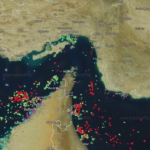


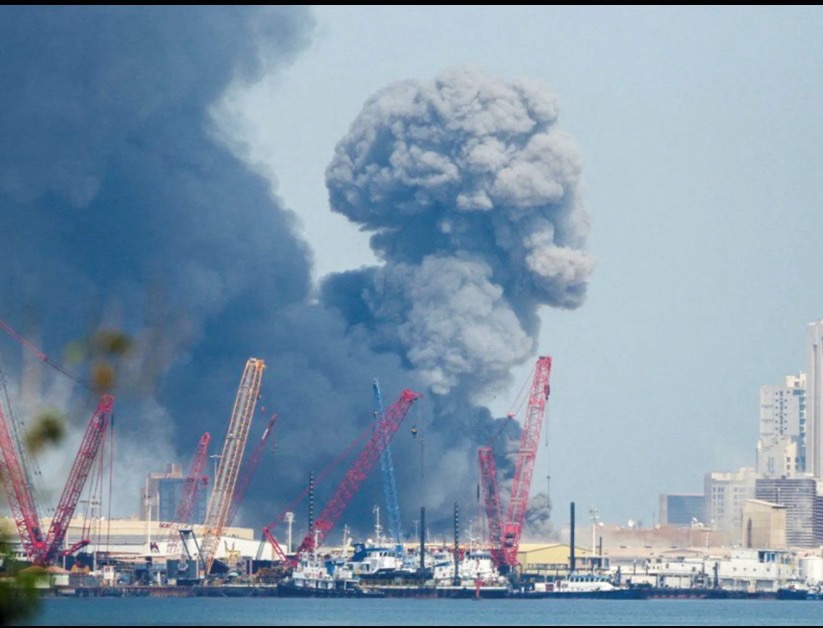
Satellite imagery circulating online shows damage to an electrical substation in Bahrain that reportedly supplies power to a key US command and control facility. The visuals come as Iran’s missile and drone attacks on American positions in the Gulf have grown noticeably more accurate in recent weeks.
The images, shared widely on social media and picked up by outlets following the ongoing 2026 Iran-US conflict, highlight a specific site near what appears to be a data center or related infrastructure. Analysts and Iranian state media claim the substation fed power to American operations tied to the US Fifth Fleet headquarters in Manama.
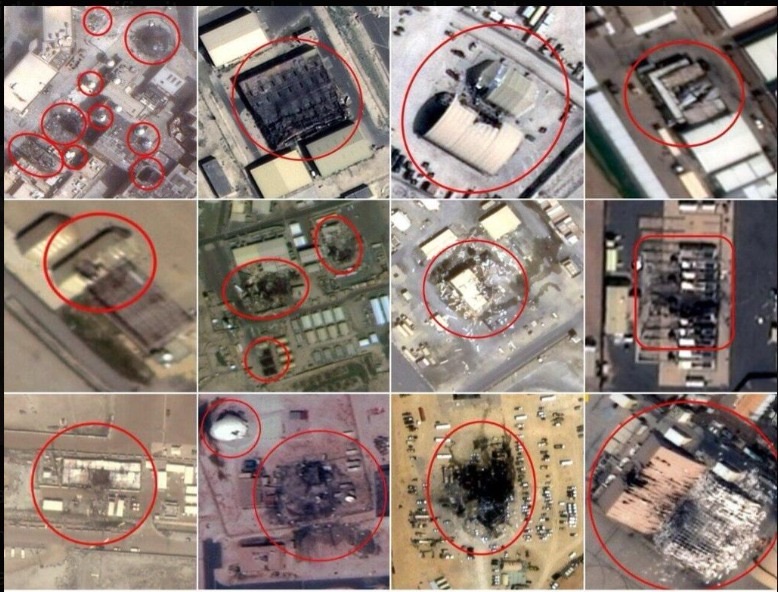
The red circles highlight the high-accuracy impact points on aircraft hangars, structures, and support facilities following Iran’s ballistic missile attack on January 8, 2020—retaliation for the killing of IRGC General Qassem Soleimani.
Source: Planet Labs / Commercial Satellite Imagery Analysis
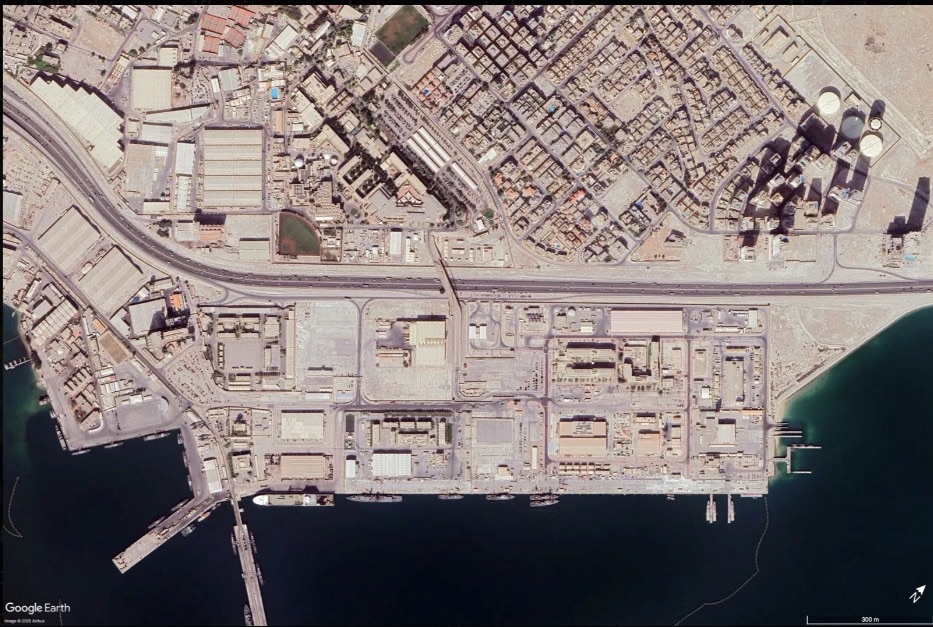
US officials have acknowledged repeated strikes on Naval Support Activity Bahrain between late February and June, with some missiles and drones getting through defenses and hitting command buildings, warehouses, and communications gear. A Wall Street Journal investigation using satellite photos and on-the-ground accounts described extensive damage that went beyond initial Pentagon statements.
Growing Accuracy Raises Red Flags
What stands out now is how precise some of these hits have become. Earlier waves of Iranian attacks were described as more scattershot. Recent ones, including the one tied to this substation, suggest better targeting data or improved missile guidance.
US intelligence sources cited in reports have openly worried that Iran may be getting outside help with targeting. Both China and Russia have longstanding ties to Tehran, and officials point to the possibility of shared intelligence, satellite imagery, or technical know-how making the difference.
More Read

Chinese Satellite Role Already Documented
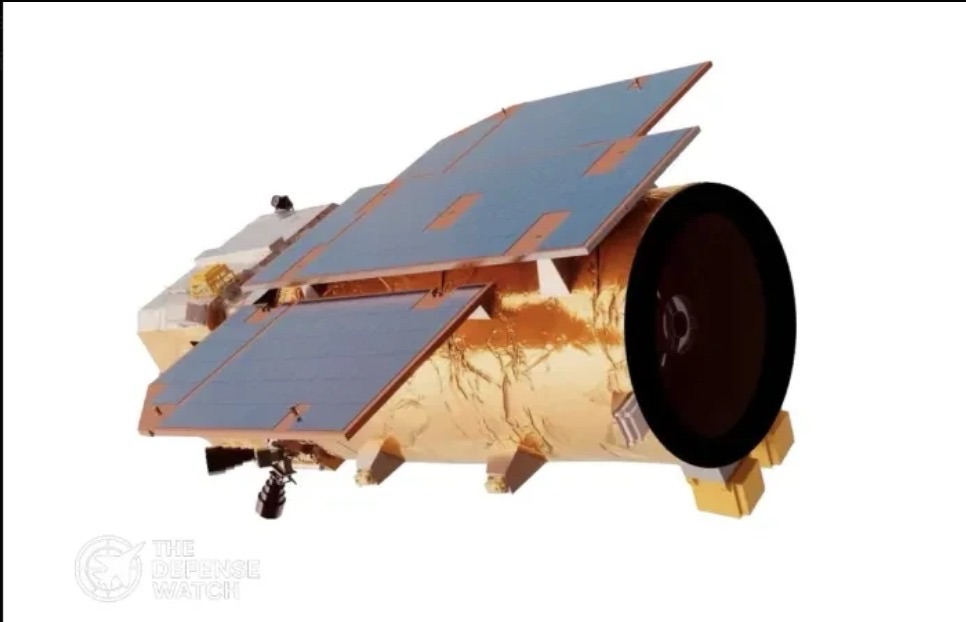
One concrete link already exists with China. A Financial Times investigation earlier this year detailed how Iran acquired and used a Chinese-built spy satellite, the TEE-01B from Earth Eye Co., to monitor US bases across the region before and after strikes. Leaked Iranian documents and orbital data showed the satellite imaging sites in Bahrain, Jordan, Saudi Arabia, and Kuwait right around the time of attacks.
Source: NASA / Wendy Stenzel
Chinese commercial satellite firms have also released high-resolution imagery of US military movements during the conflict, some of which Iranian outlets quickly reposted. Beijing has denied direct involvement in any targeting support, calling the claims disinformation.
Russia’s role looks more indirect so far, though Moscow and Tehran have deepened military cooperation in recent years. US officials have not ruled out Russian assistance with data or components that could help Iran refine its longer-range strikes.
More Read

Source: Social Media / Reuters
What This Means on the Ground
Bahrain has been a flashpoint because it hosts the US Navy’s Fifth Fleet, the main hub for American maritime operations in the Middle East. Strikes there, even if they avoid direct casualties in some cases, force the Pentagon to rethink how exposed its Gulf bases really are.
Officials are already weighing options like moving some assets farther from Iranian missile range or reinforcing defenses. The damage estimates for just the Bahrain naval support facility run into hundreds of millions for repairs alone.
Iran’s Islamic Revolutionary Guard Corps has claimed success against US-linked targets in Bahrain, Kuwait, and Jordan in recent retaliatory waves. They frame the actions as responses to American strikes on Iranian territory.
The Bigger Picture
This isn’t happening in isolation. The conflict has dragged on with tit-for-tat strikes, tanker attacks in the Strait of Hormuz, and fragile ceasefires that keep breaking down. Both sides have inflicted real damage while trying to avoid all-out war.
For Washington, the combination of accurate Iranian strikes and possible foreign backing adds pressure. It raises questions about how much Iran’s missile and drone programs have advanced with outside help, and what that means for future confrontations.
Satellite evidence keeps surfacing because commercial imagery is now widely available and both sides use it for propaganda and damage assessment. The substation visuals fit into that pattern, showing targeted infrastructure rather than random hits.
More Read

As the situation develops, more details will likely emerge from official statements, further imagery analysis, and intelligence leaks. For now, the strikes underscore how quickly regional tensions can escalate when precision weapons meet real-time targeting data.
Stay tuned for updates as this story continues to unfold.