

WASHINGTON — The White House on Wednesday spotlighted positive developments in the U.S. labor market, pointing to steady job creation, low unemployment, and wage growth even as the economy navigates global uncertainties and higher energy prices caused by the Strait of Hormuz disruption.
The official White House post emphasized that American workers continue to benefit from a resilient economy, with particular strength in sectors such as manufacturing, construction, and technology. While specific numbers were not detailed in the post, recent labor market indicators have shown the unemployment rate remaining near historic lows and nonfarm payrolls adding jobs consistently.
Current Labor Market Snapshot
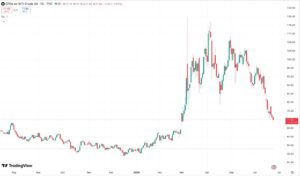
According to the latest available data, the U.S. unemployment rate has stayed low, hovering around 3.8% to 4.1% in recent months. Employers have continued to add jobs, though the pace has moderated from the rapid post-pandemic recovery period. Wage growth has remained solid, particularly for lower- and middle-income workers, helping offset some of the pressure from elevated gasoline prices now averaging $4.52 per gallon nationally.
The White House has framed these numbers as evidence that its economic policies — including tariffs aimed at protecting domestic industries and efforts to reshore manufacturing — are delivering results for American workers.
For more on how trade policy is being used to support domestic production, see our recent coverage of Trump’s plan to restore North Carolina as America’s furniture capital and the crackdown on foreign companies in the U.S. meat market.
More Read
Key Sectors Driving Job Growth
Several industries have stood out in recent labor reports:
- Manufacturing has seen gains as companies respond to tariff incentives and supply chain reshoring efforts.
- Construction remains robust, supported by infrastructure projects and housing demand in growing regions.
- Healthcare and technology continue to add positions, with demand for skilled workers in AI, semiconductors, and renewable energy-related fields.
However, some sectors have faced headwinds. Retail and hospitality have shown slower hiring in certain regions, partly due to higher consumer prices for fuel and groceries. The transportation sector has also felt pressure from elevated diesel costs.
White House Message: “Hang Tight”
Administration officials, including National Economic Council Director Kevin Hassett, have acknowledged the pain at the pump but urged patience. Hassett has predicted that once the Strait of Hormuz situation stabilizes, a surge in global oil supply could bring gasoline prices down relatively quickly — potentially ahead of the 2026 midterms.
More Read
The White House is positioning the current economic challenges as largely temporary and externally driven, while highlighting underlying strengths in employment and wage data.
Challenges and Risks Ahead
Despite the positive messaging, economists caution that sustained high energy prices could eventually weigh on consumer spending and business investment. If the Hormuz disruption drags on, it could slow job growth in energy-sensitive industries.
There are also longer-term questions about labor force participation, skills mismatches, and the uneven distribution of job gains across regions and demographics. Rural areas and communities heavily dependent on manufacturing have seen mixed results, even as tech hubs continue to thrive.
The strong contribution of AI and software investment to recent GDP growth (see our analysis on AI driving 67% of U.S. Q1 2026 GDP growth) has helped offset some weakness elsewhere, but reliance on a narrow set of sectors raises concerns about economic resilience.
Political Context
With midterms approaching in November 2026, jobs and gas prices have become central campaign issues. Republicans are emphasizing job creation and policy efforts to boost domestic energy production, while Democrats are focusing on the cost-of-living impact of higher fuel prices and questioning the pace of relief.
The White House’s latest post appears designed to reassure voters that the labor market remains fundamentally strong despite temporary external shocks.

Outlook
Labor market data in the coming months will be closely watched. If job growth remains solid and energy prices begin to ease as hoped, the administration will likely highlight these outcomes as validation of its economic approach. A sharper slowdown in hiring or prolonged high gas prices could shift the narrative significantly.
For now, the White House is projecting confidence that American workers will weather the current challenges and benefit from a stronger energy supply picture later this year.