

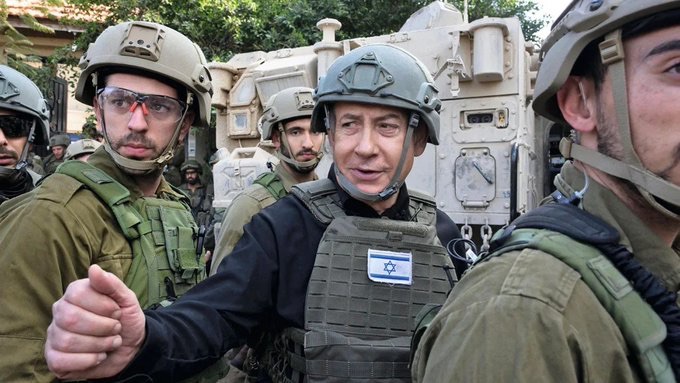
TEL AVIV — As Israel approaches three years of continuous conflict, its economy is showing remarkable resilience. According to recent forecasts, Israel is expected to grow faster than every G7 country in 2026, even as it continues to fight on multiple fronts.
Unemployment stands at a low 3.2%, inflation remains under control at less than 2%, and the Tel Aviv Stock Exchange has risen more than 20% since January. The Israeli shekel has also strengthened, gaining roughly 7% against the U.S. dollar since the war began. These figures stand in sharp contrast to the widespread assumption that prolonged conflict would cripple the economy.
The surprising performance has drawn attention from economists and investors worldwide. While most nations facing extended warfare see sharp contractions, Israel appears to be bucking the trend through a combination of structural strengths and adaptive policies.
Key Drivers Behind Israel’s Economic Resilience
Several factors help explain Israel’s ability to maintain momentum during wartime.
First, the country’s tech sector continues to thrive. Israel has long been known as the “Startup Nation,” and that reputation has held steady. Cybersecurity, artificial intelligence, and defense technology have attracted particularly strong interest. Record levels of foreign investment have flowed into these areas, with many international companies viewing Israel as a critical hub for innovation even amid regional instability.
Second, defense exports have surged. Israel’s defense industry has benefited from increased global demand for proven systems tested in real combat conditions. Sales of drones, missile defense technology, and other advanced equipment have provided a significant economic boost and helped offset some of the costs of the war.
Third, Israel maintains a highly skilled and flexible workforce. Many Israelis serve in the reserves, yet the economy has adapted through remote work, rapid reallocation of labor, and strong government support programs. The country’s emphasis on education and innovation has created a workforce that remains productive even under pressure.
Finally, sound monetary policy by the Bank of Israel has helped keep inflation low and the shekel stable. The central bank has managed interest rates carefully, maintaining investor confidence and preventing the kind of currency crisis that often accompanies prolonged conflict.
Comparison with G7 Economies
The contrast with major Western economies is striking. While the United States, Germany, the United Kingdom, and other G7 nations are projected to see modest growth in 2026, Israel’s forecasted expansion is notably higher. This performance challenges the conventional view that war inevitably leads to economic collapse.
Analysts point out that Israel’s small, open, and highly innovative economy gives it certain advantages. Its heavy reliance on high-value technology exports rather than traditional manufacturing makes it less vulnerable to certain types of disruption. Additionally, strong ties with the United States and other allies have helped sustain access to capital and markets.
However, economists caution that these positive numbers do not tell the full story. The war has still imposed significant costs, including high defense spending, lost productivity from reservists, and damage to certain sectors such as tourism and construction in border areas. The government has had to run large budget deficits to support the war effort and civilian needs.
What This Means for Israel’s Long-Term Outlook
The current economic strength is impressive, but questions remain about sustainability. If the conflict continues or escalates further, maintaining this pace could become more difficult. Much of the recent growth has been driven by the defense and tech sectors, which may not expand indefinitely at the current rate.
There are also concerns about inequality. While high-tech workers and defense-related industries have benefited, other parts of the economy and society have faced greater hardship. Small businesses, particularly in tourism, hospitality, and retail, have struggled, and many families have been affected by the prolonged absence of reservists.
Foreign investors appear confident for now, but any major shift in the security situation or changes in global risk appetite could affect capital flows. The strength of the shekel and the performance of the Tel Aviv Stock Exchange reflect current optimism, but markets can change quickly.
A Unique Economic Story
Israel’s ability to outperform major economies while engaged in active conflict is unusual in modern history. Most countries in similar situations have seen deep recessions, high inflation, and currency devaluation. Israel’s experience highlights the importance of economic structure, innovation capacity, and institutional strength in determining wartime outcomes.
The story also carries broader lessons. It shows that a highly skilled, adaptable economy with strong global connections can absorb significant shocks. At the same time, it serves as a reminder that economic statistics, while important, do not capture the full human and social cost of prolonged conflict.
As 2026 continues, Israel’s economy will remain a subject of close study. Its ability to sustain this resilience while managing the demands of war will be closely watched by economists, investors, and other nations facing their own security and economic challenges.
For now, the numbers tell a story of unexpected strength. Whether this momentum can be maintained in the face of ongoing conflict remains one of the more intriguing economic questions of the year.