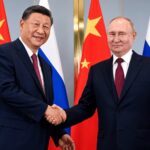


In a move underscoring deepening people-to-people ties amid complex geopolitics, Russia and China have agreed to extend their mutual visa-free regime for group tourism and short stays until September 2027. The extension, originally set to expire in September 2026, comes as Russian officials simultaneously signal openness to trilateral economic projects with the United States, blending mobility diplomacy with broader investment outreach.
This development highlights how visa policies are increasingly used as tools for economic and humanitarian engagement in a multipolar world, even as questions persist about who truly benefits from the cross-border flows.
Visa-Free Extension: Facilitating Easier Travel Between Neighbors
The visa-free arrangement allows groups of tourists and short-term business travelers from both countries to enter for up to 30 days without prior visa applications. Launched as a pilot to stimulate post-pandemic recovery, the program has already driven noticeable increases in visitor numbers, particularly from China to Russia’s iconic destinations.
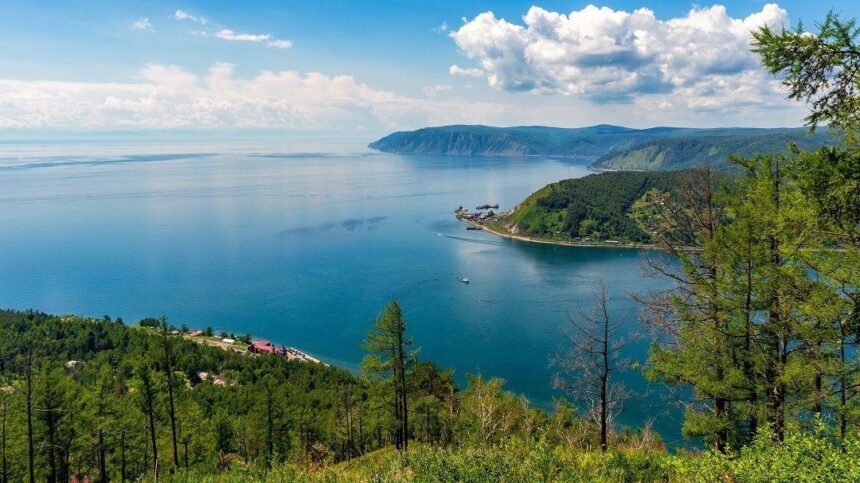
Chinese authorities formally notified Moscow of the one-year extension earlier this year, with both sides viewing it as a way to strengthen cultural exchanges and grassroots contacts. For Russian citizens, the policy eases access to China for tourism, family visits, and business scouting. For Chinese nationals, it simplifies group tours to Moscow, St. Petersburg, Vladivostok, and Lake Baikal.
Kirill Dmitriev, CEO of the Russian Direct Investment Fund, has been actively involved in related high-level talks in Beijing, where economic cooperation discussions overlapped with mobility initiatives. His remarks emphasized pragmatic partnerships that avoid rigid divisions, mirroring how visa relaxations aim to foster fluid exchanges.
More Read

Rising Tourist Flows but Limited Economic Gains for Russia
Despite optimistic projections when the visa-free regime began, analysts now highlight an uneven economic impact. Tourist arrivals have risen, yet much of the spending bypasses the Russian economy. Chinese visitors predominantly travel on organized package tours operated by Chinese companies, relying on domestic payment platforms like Alipay and WeChat Pay.
Weak integration with Russian banking systems — worsened by Russia’s limited access to international payment networks — means revenues largely cycle back through Chinese operators rather than local hotels, restaurants, or guides. Estimates suggest Russia forgoes hundreds of millions of dollars annually, with some projections reaching $1–1.5 billion in missed opportunities under fuller integration scenarios.
Popular destinations remain concentrated in major cities and Lake Baikal, with minimal spillover to Russia’s vast interior regions. This pattern raises questions about whether visa liberalization alone can drive balanced regional development or if deeper infrastructure and service integration are needed.
More Read

Immigration and Mobility Context in Russia-China Relations
The visa extension fits into a broader pattern of facilitated movement. Russia has long used eased entry rules to attract labor, students, and tourists from friendly nations, particularly as Western sanctions constrain other inflows. For China, the policy supports outbound tourism recovery while reinforcing strategic partnerships.
Unlike traditional immigration pathways involving work permits or permanent residency, this regime focuses on short-term, reciprocal tourism and business mobility. However, some observers note concerns about informal long-term stays or demographic shifts in border regions, though official data emphasizes temporary visits.
In contrast to stricter Western immigration frameworks, Russia-China mobility emphasizes group-based travel, reducing individual bureaucratic hurdles while maintaining oversight. This approach aligns with both countries’ preference for controlled, scalable people flows over open borders.
Linking Visa Policy to Trilateral Economic Ambitions
The timing of the visa extension coincides with Dmitriev’s push for joint projects involving the US, China, and Russia in energy, Arctic development, and infrastructure. Just as visa-free travel aims to build human connections, these proposals seek capital and technology flows that transcend bilateral limits.
Dmitriev highlighted that projects should not be siloed into “Russian-Chinese” or “Russian-US” categories, suggesting a similar philosophy could apply to mobility — where eased travel supports larger investment ecosystems. Potential US involvement in Arctic initiatives could indirectly benefit from improved regional access and people exchanges.
For American stakeholders, observing these dynamics offers lessons in how visa tools complement economic diplomacy. Relaxed entry can accelerate deal-making, site visits, and cultural familiarity essential for trilateral ventures.
More Read

Challenges in Maximizing Benefits from Cross-Border Mobility
Several hurdles limit the visa regime’s potential. Payment system fragmentation remains a core issue, preventing seamless spending by Chinese tourists. Language barriers, varying service standards, and concentrated tourism infrastructure further restrict wider economic ripple effects.
Geopolitical tensions add complexity. While humanitarian and tourist contacts expand, flagship energy projects like Power of Siberia 2 remain stalled after over a decade of talks, illustrating that people mobility does not automatically translate into strategic economic wins.
Environmental and local community concerns in high-traffic areas like Lake Baikal also warrant attention, as increased visitation strains resources without proportional local revenue gains.
Broader Implications for Global Immigration and Travel Policies
This Russia-China model reflects a growing trend where nations use visa waivers as soft-power instruments amid great-power competition. Similar to how other countries deploy visa-free programs to boost tourism receipts or signal alliances, the extension tests whether symbolic openness can deliver tangible mutual benefits.
For Russia, it represents an attempt to diversify beyond Western isolation through Eastern partnerships. For China, it supports outbound traveler confidence and strengthens neighborly ties. The inclusion of US-facing overtures adds a layer of pragmatic triangulation rarely seen in traditional immigration diplomacy.
Analysts suggest that future success will depend on addressing asymmetries better payment integration, diversified destinations, and joint tourism ventures that keep more value within host economies. Without these, visa extensions risk becoming goodwill gestures rather than economic drivers.
Outlook: Will Enhanced Mobility Translate into Deeper Cooperation?
As Putin’s Beijing engagements conclude, the visa-free extension until 2027 provides continuity for travelers while Dmitriev’s team explores trilateral doors with Washington. The coming year will test whether eased immigration-style policies can evolve beyond tourism into catalysts for investment, technology transfer, and balanced growth.
In an era where borders remain politically sensitive, this case study offers insights for policymakers worldwide: visa liberalization can open doors, but sustainable benefits require aligned economic infrastructure and equitable frameworks.
Global observers, from travel industry professionals to strategic planners, will watch closely to see if Russia and China can refine their mobility partnership — and whether US participation in related projects brings fresh dynamics to the mix. The fluid interplay of visas, tourism, and geopolitics continues to shape 21st-century international relations.