


In the vibrant world of African football, few supporter groups match the energy and color of Senegal’s tifo brigades. These are the drumming, dancing, flag-waving legions that turn stadiums into a sea of green, yellow, and red. Yet for the first time in the nation’s World Cup history, that passionate home-based delegation will be absent from the stands when the Lions of Teranga take the field in the United States.
Senegalese sports ministry officials confirmed the news to AFP. Every visa application for an official supporters’ group was rejected by U.S. authorities. Even though the government offered to cover costs for presidents of major fan organizations, the doors remained firmly closed. It marks a historic and painful milestone.
A Policy Rooted in Security and Overstay Concerns
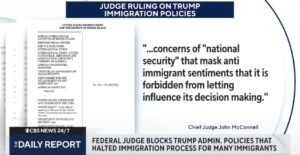
The rejections stem from broader U.S. immigration measures. These include restrictions on entry from 39 countries, with Senegal and Ivory Coast among them, due to elevated visa overstay rates. U.S. data shows Senegal’s tourist and business visa rejection rate hovering around 74 percent in recent years, well above global averages. Officials cite more than half a million overstay incidents nationwide in a single recent period as justification for tighter scrutiny.
A temporary visa bond requirement, up to $15,000 for applicants from certain nations, was waived for ticket-holding World Cup fans in May. But the underlying travel restrictions, which kicked in after December 2025, proved insurmountable for most home-based supporters. Many had not secured visas beforehand.
Ivory Coast faces identical hurdles. The National Committee of Elephants Supporters canceled plans for around 500 fans after widespread denials. “The United States has been clear with us,” said CNSE president Julien Kouadio Adonis. “They do not want to see our supporters on its soil.”
More Read

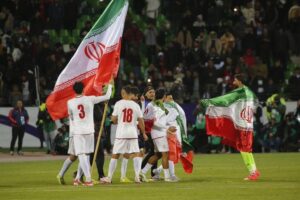
Other participating nations, including Haiti and Iran, encounter similar barriers. The result is a World Cup billed as the most inclusive ever, now feeling to many like a tournament of exclusion.
The Human Cost: Passion Left on the Sidelines
Imagine saving for years, arranging time off work, and coordinating with fellow fans only to hit a bureaucratic wall. For Senegalese supporters like Aliou Ngom, the decision came as no surprise, but it still stings. Many didn’t even bother applying, sensing the odds were stacked against them.
This is not just about missing matches. Senegal’s fan culture is legendary. Groups like the Lions’ Supporters bring unmatched atmosphere, rivaling even the famed Brazilian torcidas. Their absence leaves a noticeable void in stadium energy, especially during Group Stage clashes where home support can lift players.
More Read

To mitigate the gap, organizers have allocated around 400 tickets per Senegal match to the U.S.-based Senegalese diaspora, estimated at over 300,000 strong. While welcome, diaspora fans often differ in vibe and intensity from those arriving straight from Dakar or regional towns. The raw, collective passion forged on African soil will be sorely missed.
Disadvantages of This Development
The fallout extends far beyond hurt feelings. Several key downsides stand out.
First, the tournament atmosphere suffers. World Cup magic thrives on diverse global support. Without vibrant African delegations, certain matches risk feeling flatter, more corporate, and less celebratory. This undermines the event’s “world” ethos.
Second, there is an economic impact on hosts and fans. Supporters spend heavily on travel, lodging, food, and merchandise. Lost revenue from thousands of denied African fans hits local businesses in host cities. For fans back home, dashed dreams translate to lost cultural pride and economic opportunities tied to tourism spin-offs.
Third, this damages U.S. soft power and global image. Hosting the World Cup was meant to showcase American hospitality. Instead, stories of blanket rejections fuel narratives of insularity. Critics on social media and in international press label it the “World Cup of Exclusion.” This could harm future bids or diplomatic relations.
Fourth, it strains player morale and performance. Athletes draw strength from seeing their compatriots in the stands. Knowing home fans are locked out could weigh on Senegal’s squad, already navigating strict security screenings upon arrival themselves. Similar extra checks have been reported for other African teams.
More Read

Fifth, it sets a precedent for future events. If security and migration concerns override sporting inclusion here, other mega-events might follow suit. Smaller nations could face de facto barriers, widening the gap between football’s haves and have-nots.
Finally, it erodes trust in FIFA and the co-hosts. FIFA president Gianni Infantino’s call to “relax” has done little to quell anger. Many question whether the governing body adequately advocated for equitable access, especially after promoting the expanded 48-team format as more inclusive.
Broader Context: Balancing Security and Celebration
Defenders of the policy argue it is not anti-African but pragmatic. High overstay rates from certain countries are documented. U.S. authorities must prevent temporary visitors from becoming undocumented residents amid ongoing border pressures. Exemptions for players and some officials show flexibility. Yet critics counter that fan travel poses minimal security risk compared to the diplomatic and cultural benefits of full participation.
The situation also highlights inequalities in global mobility. Fans from Europe or wealthier nations face few such obstacles, while supporters from qualifying African sides, often representing passionate football cultures, hit walls. No European World Cup participant deals with comparable blanket hurdles.
Senegal, a four-time qualifier and 2021 AFCON champion under stars like Sadio Mané in past cycles, embodies football’s unifying power. Denying their most dedicated fans a seat at the table feels like silencing part of the sport’s soul.
What Lies Ahead
As the 2026 tournament unfolds, eyes will watch not just the pitch but the stands. Will diaspora communities fill the void with equal fervor? Can FIFA broker better solutions for future events? And will this episode prompt reflection on how host nations balance legitimate security needs with the tournament’s universal spirit?
For now, Senegal’s Lions will roar without their full pride behind them. The drums that usually echo across continents will remain silent on American soil. This quiet but profound absence in football’s grandest stage serves as a stark reminder. Sometimes the biggest barriers are not on the field, but at the border.
In a competition meant to celebrate humanity’s shared love of the game, the empty seats reserved for Dakar’s faithful highlight deeper tensions in global sport and travel. Football has long been a bridge between cultures. When that bridge is blocked for the very fans who make the spectacle unforgettable, everyone loses a piece of what makes the World Cup special.