

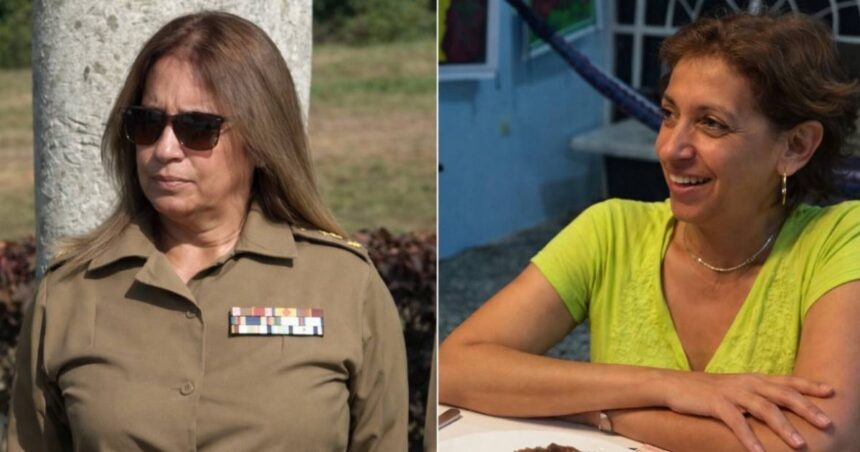
Miami, Florida – Federal immigration authorities arrested Adys Lastres Morera, a Cuban national and former lawful permanent resident, in Miami on May 22, 2026. The arrest followed the revocation of her green card by Secretary of State Marco Rubio just days earlier. Officials cited her close family ties to high-level Cuban regime figures and activities that undermine United States foreign policy toward Cuba.
This development highlights the Trump administration’s intensified efforts to target individuals connected to the Cuban military and economic apparatus while residing in the United States. It raises important questions about immigration enforcement, national security, and the intersection of foreign policy with domestic residency decisions.
Background on Adys Lastres Morera and Her Family Ties
Adys Lastres Morera entered the United States as a lawful permanent resident on January 13, 2023. She lived in Florida and was involved in managing real estate assets. Her sister, Ania Guillermina Lastres Morera, serves as the executive president of Grupo de Administración Empresarial S.A., commonly known as GAESA. GAESA is a Cuban military-controlled conglomerate that dominates significant portions of the island’s economy.
Ania Guillermina Lastres Morera holds the rank of brigadier general in the Cuban Revolutionary Armed Forces. She assumed leadership of GAESA in 2022 following the death of a previous head. The organization oversees hotels, real estate, ports, retail, and other key sectors. Estimates suggest GAESA controls between 50 and 70 percent of Cuba’s economy, channeling profits directly to the military and regime leadership.
United States officials have long viewed GAESA as a tool for the Cuban regime to maintain power and evade sanctions. The conglomerate has faced multiple rounds of sanctions for its role in repressing the Cuban people and profiting from tourism and other industries while ordinary Cubans face shortages.
More Read
Details of the Arrest and Revocation

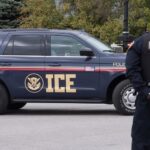
National Security Action: U.S. Immigration and Customs Enforcement (ICE) Homeland Security Investigations (HSI) agents have arrested Cuban national Adys Lastres Morera in Miami, Florida, just days after her lawful permanent resident status was formally stripped away. In a direct exercises of executive authority under the Immigration and Nationality Act (INA), Secretary of State Marco Rubio personally revoked Morera’s green card after determining that her continued presence directly compromised U.S. national security and actively undermined American foreign policy objectives toward Havana. Federal authorities revealed that while Morera was living luxury and managing real estate assets in Florida, she was simultaneously aiding the interests of Cuba’s communist regime.
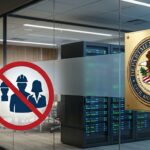
Graphic: U.S. Department of Homeland Security / Miami Herald
Homeland Security Investigations, a division of Immigration and Customs Enforcement, carried out the arrest in Miami. Adys Lastres Morera is now in ICE custody pending removal proceedings. The State Department revoked her lawful permanent resident status on May 20, 2026, determining that her presence in the country violated Section 237(a)(4)(C) of the Immigration and Nationality Act.5
Secretary Marco Rubio stated that permitting her to remain would send the wrong signal about access to United States institutions for networks linked to the Cuban regime. In a public post, Rubio noted that Adys Lastres Morera was managing real estate assets in Florida while aiding the communist regime in Havana.
This action aligns with broader administration priorities to impose costs on regime-linked individuals. It comes shortly after the Department of Justice unsealed charges against Raul Castro and others related to historical crimes, underscoring ongoing scrutiny of Cuban leadership.
More Read

What GAESA Represents in Cuba’s Economy and Politics
GAESA functions as the economic engine of the Cuban military. It manages tourism infrastructure, foreign currency stores, import-export operations, and more. Profits from these activities reportedly support the regime’s security apparatus rather than broad economic development.
Ania Guillermina Lastres Morera’s role places her at the center of this system. She has been sanctioned by the United States alongside GAESA entities for her leadership. Reports indicate the family maintains business interests beyond Cuba, including connections uncovered through investigative journalism in Florida corporate records.
Critics argue that allowing family members of such officials to reside in the United States and engage in business activities creates inconsistencies in policy. Supporters of the revocation see it as a necessary step to prevent the regime from benefiting from American soil.
Immigration Law and the Revocation Process
Under United States immigration law, the Secretary of State holds authority to determine that a lawful permanent resident’s presence poses adverse foreign policy consequences. This can lead to removal proceedings without the need for a criminal conviction in many cases.
For context on what happens after such an ICE arrest, individuals typically enter administrative detention while removal proceedings unfold. Legal processes can include hearings before immigration judges, potential appeals, and considerations of any relief available. Readers seeking more details on detention procedures may refer to resources such as What Happens If ICE Detains You? A Step-By-Step Breakdown.
Other relevant immigration topics include rights during encounters with authorities. Guides like What To Do If ICE Comes To Your Door: A Step-By-Step Guide and What Are Your Rights During an ICE Raid? provide practical information for those concerned about enforcement actions.
More Read

This case also touches on broader debates about green card revocations for national security or foreign policy reasons. While rare for long-term residents, such determinations emphasize executive discretion in immigration matters tied to diplomacy.
Broader Context of US-Cuba Relations Under the Current Administration
The Trump administration has pursued a hard line against the Cuban regime. Actions include tightened sanctions, support for democratic opposition, and measures to limit regime revenue streams. The arrest of Adys Lastres Morera fits into this strategy of denying safe haven and economic opportunities to connected individuals.
Cuban-American communities in Florida have largely welcomed the move. Many view it as accountability for those who profit from repression while enjoying freedoms abroad. Exile groups and advocates have called for further investigations into similar networks.
Meanwhile, the Cuban government has condemned such actions as hostile. Officials in Havana portray them as political persecution rather than legitimate enforcement of immigration and sanctions laws.
Recent sanctions on GAESA and related entities, including mining operations, underscore the economic pressure campaign. These steps aim to disrupt the flow of hard currency that sustains the regime.
Implications for Immigration Enforcement and National Security
This incident illustrates how immigration status can intersect with foreign policy objectives. Lawful permanent residents generally enjoy significant protections, but these are not absolute when national interests are at stake. The case may set a precedent for reviewing other individuals with similar ties.
Experts note that such revocations require careful documentation and legal process to withstand potential challenges. Adys Lastres Morera remains in custody as proceedings advance. No criminal charges have been publicly announced against her at this time, focusing the case on immigration removal.
For those interested in deportation realities, including limits on who can be removed, analyses such as Can a US Citizen Be Deported in 2026? clarify key distinctions in the law.
Reactions from Officials and Communities
Secretary Rubio emphasized that there would be no safe spaces for those aiding the regime while living comfortably in the United States. Florida officials and local leaders in Miami have expressed support, citing the large Cuban exile population’s long-standing grievances.
Human rights organizations monitoring Cuba have highlighted GAESA’s role in funding repression. They see enforcement against family members as one way to weaken the economic foundations of authoritarian control.
Critics of expansive immigration enforcement worry about due process, but in this instance, the foreign policy rationale appears central to the government’s justification.
Looking Ahead: Potential Outcomes and Policy Trends
Adys Lastres Morera will likely face formal removal proceedings in immigration court. Outcomes depend on evidence presented, any defenses raised, and administrative decisions. Deportation to Cuba remains a possibility if no relief is granted.
This case may encourage further scrutiny of real estate holdings and business activities by regime-linked individuals in the United States. It also reinforces the message that green card status carries responsibilities aligned with American interests.
As enforcement priorities evolve, resources on ICE interactions and detention remain valuable for the public. Articles detailing warrant requirements and rights, such as Can ICE Enter Your Home Without a Warrant?, offer ongoing guidance.
The arrest underscores the complexities of balancing humanitarian immigration pathways with security and diplomatic imperatives. It serves as a reminder that lawful permanent residency is a privilege that can be reviewed when circumstances change.
In summary, the ICE arrest of Adys Lastres Morera marks a notable step in addressing regime ties within the United States. It reflects determined policy under Secretary Rubio and the current administration to counter Cuban military influence. As proceedings continue, the case will likely draw attention from both immigration observers and foreign policy analysts.