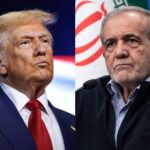


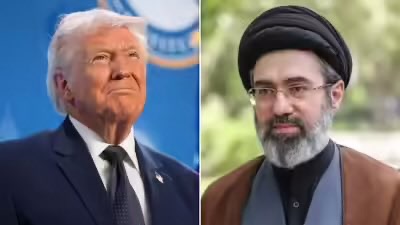
As of June 12, 2026, the prospect of a formal agreement between the United States and Iran to extend a fragile ceasefire and address key regional tensions continues to generate headlines around the world. President Donald Trump has expressed confidence that a memorandum of understanding, or MOU, is nearly complete, yet Iranian officials and state media maintain that no final text has been approved. This mix of hopeful signals and measured skepticism underscores the deep-seated challenges in diplomacy between the two nations.
The Path to Negotiations and Core Elements Under Discussion
The current round of talks traces back to a temporary ceasefire established in early April 2026, following months of conflict that began earlier in the year. Mediated primarily through Pakistan and Qatar, the discussions aim to create a 60-day framework that would pause hostilities, reopen critical waterways, and lay the groundwork for deeper negotiations on Iran’s nuclear program.
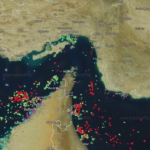
Central to the proposed MOU is the reopening of the Strait of Hormuz, a narrow chokepoint that carries roughly one-fifth of global oil and liquefied natural gas shipments under normal conditions. Reports indicate the deal would allow unrestricted commercial shipping, with Iran committing to remove any mines and restore pre-war traffic levels within a set period, potentially 30 days. In exchange, the United States would lift its naval blockade on Iranian ports and begin withdrawing forces from the immediate vicinity.
Additional provisions reportedly include phased sanctions relief, the release of billions in frozen Iranian assets, and Iranian commitments not to pursue nuclear weapons. During the 60-day window, negotiators would tackle sensitive issues such as Iran’s stockpile of highly enriched uranium and limits on its enrichment activities.
President Trump has repeatedly highlighted these elements in public statements. He has described the framework as “largely negotiated” and emphasized that time is on the American side, urging his team not to rush while insisting on strong verification mechanisms. In recent days, he has pointed to progress on ensuring Iran cannot develop nuclear capabilities, a longstanding priority for his administration.
More Read

Diverging Narratives from Tehran
Iranian responses paint a more reserved picture. State-linked outlets like Fars News Agency and Mehr have stressed that while broad consensus exists on several topics, the final text remains under review in Tehran and has not received senior-level approval. Officials cite historical distrust, pointing to past instances of U.S. withdrawal from agreements, and insist on tangible, simultaneous concessions before any signing.
A source close to the Iranian negotiating team told reporters that Tehran seeks “real benefits” and verifiable steps, particularly around economic relief and sovereignty over key maritime routes. Foreign Ministry spokespeople have acknowledged ongoing exchanges through mediators but rejected claims of an imminent finalization.
This caution comes amid reports of recent military incidents, including limited strikes and drone activity near the Strait of Hormuz, which both sides describe as defensive but which add pressure to the diplomatic process.
More Read

Economic and Regional Ripple Effects
The uncertainty has kept global energy markets on edge. Oil prices have fluctuated in response to headlines about potential normalization of shipping through the Strait. Analysts note that a successful deal could ease supply concerns and help stabilize prices, benefiting consumers worldwide who have faced elevated fuel costs during the conflict.
Broader regional implications extend to Lebanon and other areas where Iranian-backed groups operate. Some proposals link the U.S.-Iran framework to ceasefires on multiple fronts, though progress there remains limited. Mediators from Qatar and Pakistan continue shuttling proposals, highlighting the indirect nature of the talks.
Challenges and Sticking Points
Several hurdles persist. Enforcement mechanisms, exact timelines for sanctions relief, and the structure of any permanent accord remain points of contention. Reports suggest President Trump requested amendments to strengthen language on nuclear commitments and immediate access to the Strait. On the Iranian side, concerns focus on ensuring the U.S. follows through on asset releases and force withdrawals.
The absence of direct high-level meetings adds another layer of complexity. Negotiations rely heavily on intermediaries, raising questions about whether both capitals are truly aligned on the same draft text. Additionally, internal dynamics in Iran, including the role of senior leadership following earlier events, contribute to the deliberate pace.
Experts following the process point to mutual leverage-building. The U.S. holds military and economic cards, while Iran controls a vital energy artery and maintains regional influence. Bridging these requires careful calibration to avoid perceptions of weakness on either side.
What Lies Ahead
Looking forward, both sides appear motivated to prevent a full resumption of conflict, but the timeline for resolution is unclear. Trump has indicated he will take the time needed to secure a strong agreement, while Iranian officials emphasize the need for guarantees. Regional players, including Israel and Gulf states, watch closely, with some already briefed on draft elements.
More Read

For now, the situation remains fluid. Optimistic statements from Washington contrast with deliberate caution from Tehran, creating a familiar pattern in these high-stakes talks. Markets, diplomats, and ordinary citizens affected by energy prices will continue monitoring developments in the coming days and weeks.
This episode reflects the enduring complexities of U.S.-Iran relations, where progress often arrives in fits and starts. Whether the current framework evolves into a lasting de-escalation remains to be seen, but the stakes could hardly be higher for regional stability and global energy security.