

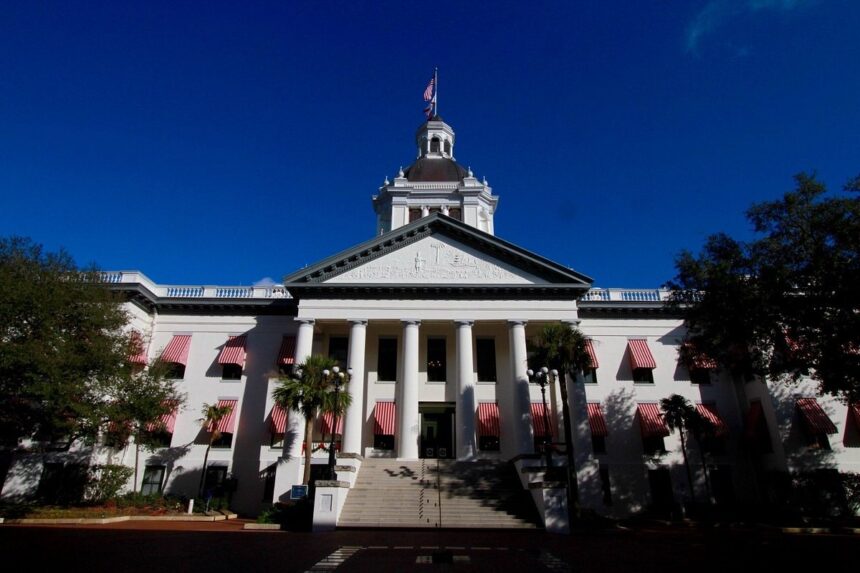
Tallahassee, FL — June 30, 2026 — In a significant development for Florida homeowners, the state Legislature has passed a constitutional amendment that would dramatically expand property tax relief through higher homestead exemptions. The measure, known as the “Save Our Homes from Excessive Property Taxes” amendment, now heads to voters on the November 3, 2026 ballot.
Key Details of the Proposed Amendment
The Florida House and Senate approved HJR 1-F during a special session in early June 2026, with votes of 75-26 in the House and 30-9 in the Senate. If approved by at least 60% of voters, the changes would take effect starting January 1, 2027.
Main provisions include:
- Homestead Exemption Boost: Raise the non-school property tax exemption to $150,000 in 2027 and $250,000 in 2028, with future adjustments for inflation.
- Path to Broader Relief: Direct the Legislature to establish a schedule for potentially eliminating non-school property taxes on homestead properties over time.
- Assessment Limits: Reduce the annual assessment increase cap on non-homestead properties (such as rentals and commercial buildings) from 10% to 5% for non-school taxes.
- Residency Requirements: New Florida residents after January 1, 2027, would receive a smaller initial exemption and need five years of residency to qualify for the full benefit.
- Spending Guardrails: Limit how counties and municipalities can use remaining property tax revenue, prioritizing core services like public safety, education (though school levies are largely unaffected), infrastructure, and flood control.12
School district property taxes remain protected and are not subject to the expanded homestead exemption in the same way.
Why This Property Tax Reform Matters
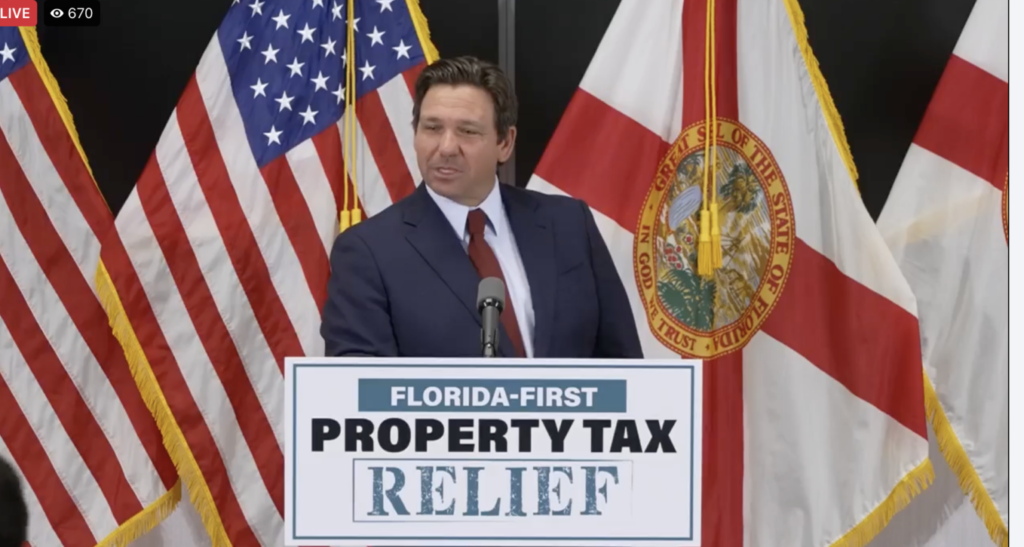
Florida homeowners have faced rising property values and tax bills in recent years, even as the state maintains no personal income tax. Governor Ron DeSantis championed the plan as essential relief amid concerns over affordability.
More Read

Potential Benefits for Homeowners:
- Substantial savings for many primary residences, especially those valued below $300,000–$500,000 depending on local millage rates.
- Greater predictability and protection against sharp tax hikes.
- Support for long-term residents while creating a pathway for fuller tax elimination on homesteads.
Considerations and Challenges:
- Local governments could see billions in reduced revenue, prompting debates over possible service adjustments, higher sales taxes, or other fees.
- The amendment does not eliminate all property taxes and requires strong voter support to pass.
- Critics have raised concerns about rushed implementation and impacts on public services, while supporters view it as a historic win for taxpayers.14
What Florida Voters Need to Know
This legislatively referred constitutional amendment will appear on the November 2026 ballot. A supermajority of 60% “yes” votes is required for passage. Floridians should review the official ballot summary and consider local implications when voting.
More Read

Property taxes in Florida are primarily local levies used to fund schools, roads, public safety, and other services. This proposal targets relief specifically for owner-occupied homesteads while leaving school funding mechanisms intact.
Background on Florida’s Tax Landscape
The push for reform comes as property tax collections have grown significantly. Proponents argue the measure protects families and businesses from excessive burdens, building on prior “Save Our Homes” caps that limit annual assessment increases for existing homeowners.
Next Steps for Homeowners
- Monitor your county property appraiser’s office for personalized estimates once details are finalized.
- Prepare for the November 2026 election — this could be one of the most impactful ballot measures in years.
- Consult a tax professional for advice on how changes might affect your specific situation.
This landmark property tax relief proposal represents a major policy shift if approved. It underscores Florida’s ongoing efforts to make homeownership more affordable while balancing local government needs.
For the latest updates, visit official sources like MyFlorida.com, the Florida Legislature website, or Ballotpedia. Stay informed as the campaign season begins — your vote in November will decide the future of property taxes in the Sunshine State.