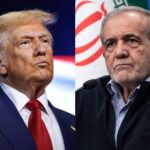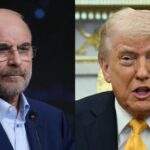


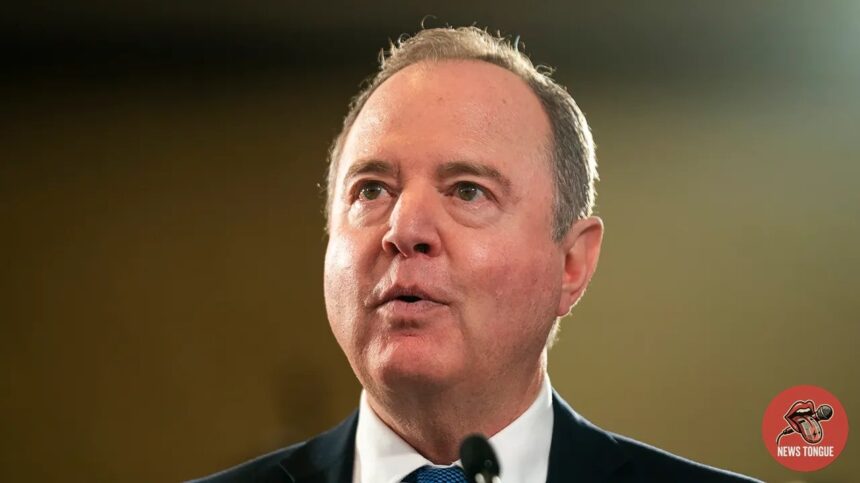
Washington, D.C. — U.S. Senator Adam Schiff (D-CA) filed a new War Powers Resolution on July 13, 2026, directing President Donald Trump to remove U.S. Armed Forces from hostilities with Iran. The filing follows the collapse of a recent U.S.-Iran ceasefire and the resumption of large-scale American military strikes.
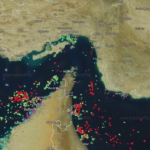
Tensions escalated quickly, with reports of renewed U.S. strikes, Iranian responses, and President Trump’s announced plans for a blockade of Iran along with fees on cargo moving through the Strait of Hormuz. Iran’s declaration of the strait’s closure has triggered rising oil prices and broader market volatility.
Background on the Ongoing U.S.-Iran Conflict
Hostilities intensified in late February 2026. While a ceasefire offered a temporary pause, it broke down in recent days, prompting fresh military actions. The Trump administration has defended its approach as necessary for national security, while critics argue it lacks sufficient congressional backing and a long-term strategy.
Congress has engaged multiple times on the issue. Both chambers previously passed resolutions objecting to the conflict, including a Senate vote on June 23, 2026 (50-48), directing the withdrawal of U.S. forces absent explicit authorization.
Key Details of Schiff’s Resolution
The new resolution challenges the administration’s interpretation of the War Powers Act, specifically rejecting claims that the 60-day statutory clock paused or restarted during the ceasefire period. It maintains that U.S. forces continued exerting military pressure throughout.
More Read

If passed, it would require the President to terminate U.S. involvement in hostilities against Iran unless Congress approves a declaration of war or specific authorization for military force, paired with a clear strategic plan.
Co-sponsors include Senators Tim Kaine (D-VA), Andy Kim (D-NJ), Jeff Merkley (D-OR), and Chris Van Hollen (D-MD). The privileged nature of the resolution under Senate rules allows it to be brought to the floor for a vote potentially as soon as next week.
Schiff’s Statement and Rationale
In a press release, Senator Schiff emphasized the need for congressional oversight: “The events of the last week prove why Congress must reassert its war powers authority. We were promised the war would be over for months. And now in a matter of days we’ve gone from a bad U.S.-Iran deal to more strikes, another blockade, and added turmoil that will only drive prices higher. Any assertion by the Trump administration that he gets 60 more days to act without Congress has no foundation in law.”
More Read
Schiff has described the engagement as a “war of choice” that is unconstitutional without congressional approval. He highlighted domestic impacts, noting how disruptions in the Strait of Hormuz a vital global oil chokepoint are raising costs for gas, groceries, and other essentials for American families.
Broader Political and Economic Context
This latest effort reflects a recurring push by Schiff and Democratic colleagues, joined at times by some Republicans, to enforce the War Powers Resolution and limit unauthorized military commitments. The Senate has held numerous votes on similar measures throughout 2026.
Strategically, the resolution underscores debates over executive authority versus legislative checks in foreign policy. Economically, any prolonged instability around the Strait of Hormuz risks higher energy prices and supply chain disruptions worldwide.
The full text of the resolution is available via Senator Schiff’s office.
Developments in the U.S.-Iran situation and congressional responses will continue to shape national security policy and economic conditions. For ongoing coverage of foreign policy and congressional actions, monitor verified government and news sources.