

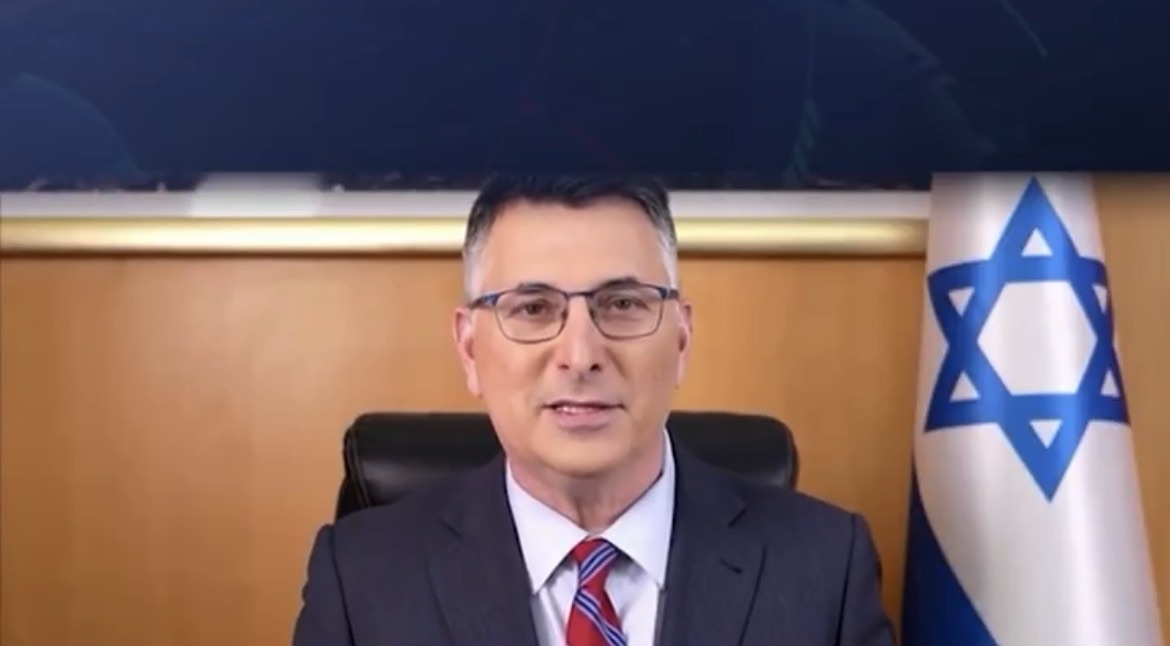
BEIRUT / JERUSALEM — In a rare alignment of messaging, Israel’s Foreign Minister Gideon Sa’ar and Lebanese President Joseph Aoun have both publicly stated that Hezbollah is responsible for pulling Lebanon into a conflict it did not want or choose.
The comments come amid fragile ceasefire efforts and ongoing tensions following months of cross-border fighting between Israel and the Iran-backed Hezbollah group. While the two leaders represent opposing sides, their criticism of Hezbollah echoes a growing frustration inside Lebanon that the powerful militant organization has prioritized Iranian interests over Lebanese sovereignty and stability.
Foreign Minister Sa’ar told Al Arabiya in a recent interview that “Hezbollah is dragging Lebanon into war” and accused the group of trying to sabotage any direct negotiations between Israel and Lebanon. He emphasized that Israel has no territorial ambitions in Lebanon and would withdraw once the threat from Hezbollah is neutralized.
Lebanese President Joseph Aoun struck a similar tone in statements this week. Without naming Hezbollah directly in every remark, Aoun accused those who “dragged us into war” of committing “treason” by taking the country into conflict to serve foreign interests rather than Lebanon’s own. He questioned why the group launched attacks without seeking national consensus, while criticizing them for opposing government-led negotiations with Israel aimed at achieving a lasting ceasefire.
A Rare Point of Convergence
This convergence is notable because it highlights deepening domestic divisions inside Lebanon. Many Lebanese citizens and politicians have grown weary of repeated cycles of violence that devastate the economy, displace populations, and destroy infrastructure — all while ordinary people pay the heaviest price.
More Read
President Aoun, who has positioned himself as a defender of Lebanese state institutions, appears to be asserting greater authority for the central government and the Lebanese Armed Forces. His remarks suggest a desire to reclaim decision-making power from Hezbollah, which has long operated as a state-within-a-state with its own army, foreign policy, and funding from Iran.
For Israel, the message serves both a diplomatic and strategic purpose. By publicly agreeing with Lebanese officials on the source of the problem, Israeli leaders aim to isolate Hezbollah politically and build international support for stronger measures to weaken the group’s military capabilities along the border.
Background on the Conflict
The latest round of fighting escalated earlier in 2026 after Hezbollah increased rocket and drone attacks on northern Israel, actions the group said were in solidarity with other regional fronts. Israel responded with airstrikes and ground operations targeting Hezbollah infrastructure in southern Lebanon.
More Read
A temporary 10-day truce was announced in mid-April following U.S. mediation, but violations and accusations have continued from both sides. Hezbollah has criticized the Lebanese government for engaging in direct talks with Israel, calling such moves a form of surrender. In response, President Aoun has pushed back, arguing that ending the war and restoring stability should be the priority for all Lebanese.
Domestic and Regional Implications
Inside Lebanon, the president’s strong language reflects growing public anger over the human and economic costs of the conflict. The country was already struggling with a severe economic crisis, political paralysis, and the aftermath of the 2020 Beirut port explosion. Another war has only deepened poverty, destroyed homes, and strained basic services.
Hezbollah still commands significant support among its Shia base and plays a major role in Lebanese politics. However, criticism from the presidency and other political factions signals that patience with the group’s independent military adventures is wearing thin among broader segments of society.
Regionally, the statements add pressure on Hezbollah and its Iranian backers. They also create an opening for diplomatic efforts aimed at a more durable ceasefire and eventual implementation of UN Resolution 1701, which calls for Hezbollah to withdraw from the border area and for the Lebanese army to take full control of southern Lebanon.
Israeli officials have repeatedly said their goal is not occupation but the removal of the immediate threat posed by Hezbollah’s arsenal and tunnel network near the border. The fact that Lebanon’s own president is voicing similar frustration could strengthen Israel’s position in negotiations.
Challenges Ahead
Despite the rhetorical alignment, significant obstacles remain. Hezbollah remains a heavily armed and entrenched force. Disarming or significantly weakening it would require sustained Lebanese government action backed by international support — something that has proven difficult in the past.
More Read
There are also risks of renewed escalation. Any perceived weakness or internal division could tempt Hezbollah to demonstrate its strength through new attacks, while Israel has made clear it will respond forcefully to threats against its northern communities.
For the Lebanese people, the central question is whether this moment of candid criticism from their president can translate into real steps toward reclaiming state sovereignty and avoiding future wars fought for external agendas.
As ceasefire talks continue, the unusual agreement between Israel’s foreign minister and Lebanon’s president on the root cause of the conflict offers a small window of diplomatic possibility. Whether it leads to concrete progress or simply highlights the depth of Lebanon’s internal fractures will depend on actions in the coming weeks, not just words.