

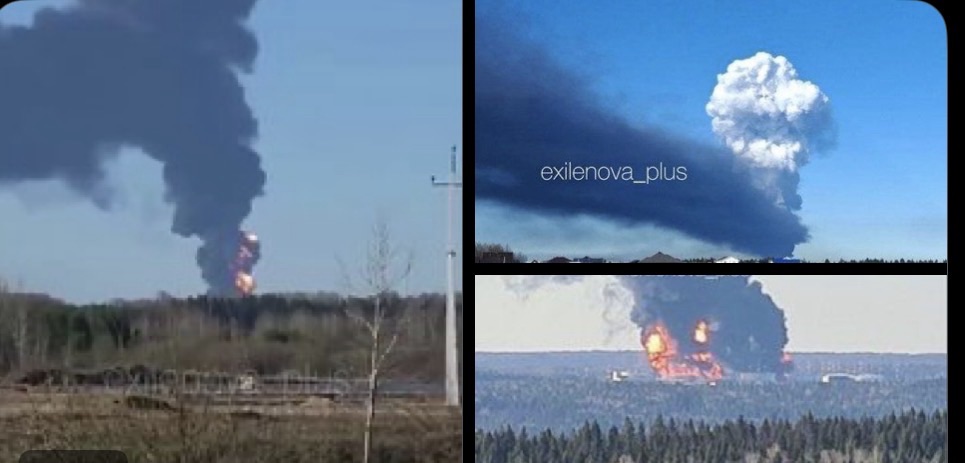
KYIV — Ukrainian long-range drones struck a key Transneft oil pipeline pumping and storage station near Perm in Russia’s Ural Mountains on April 29, 2026, triggering a massive fire with flames reaching hundreds of feet high. The facility was reportedly hit again within 24 hours, and the blaze was still burning on April 30.
The attack, claimed by Ukraine’s Security Service (SBU) through its Alpha special operations unit, targeted the Perm Linear Production Dispatch Station — a strategically important hub in Russia’s vast pipeline network. The station handles receiving, storing, and pumping crude oil in multiple directions, including to the Perm refinery and onward to export routes.
Russian officials confirmed a drone strike on an industrial facility in the Perm region and reported a large fire, though they have been cautious with details. Local media and social media footage showed thick black smoke and intense flames rising from storage tanks, with some residents reporting what they described as “oil rain” falling from the sky.
Significance of the Perm Strike
The Perm facility is more than 1,500 kilometers (over 900 miles) from the Ukrainian border, demonstrating the growing reach of Ukraine’s long-range drone capabilities. Unlike refineries that process crude into fuel, pipeline pumping stations are critical nodes in Russia’s oil transportation system. Disrupting them can create bottlenecks that affect crude flows across large parts of the country.
This latest strike adds to a sustained Ukrainian campaign against Russian energy infrastructure. According to various reports, at least five Russian oil refineries are currently offline or operating at reduced capacity due to earlier Ukrainian drone attacks. The combination of damaged refineries and now a major pipeline hub increases pressure on Russia’s ability to move, refine, and export oil, a vital source of revenue that helps fund its war effort.
More Read

Ukraine’s Strategy and Zelenskyy’s Comments
Ukrainian President Volodymyr Zelenskyy has publicly highlighted the expanding range of Ukraine’s drone strikes, stating that Kyiv will continue to push these capabilities further. Ukrainian officials describe the campaign as a legitimate response aimed at reducing Russia’s ability to finance the invasion through oil exports.
By targeting both refineries and transportation infrastructure, Ukraine hopes to create domestic fuel shortages inside Russia, force Moscow to divert resources toward repairs, and cut into the hard currency earnings that sustain its military. The SBU has emphasized that these operations are carefully planned and focused on strategic economic targets rather than civilian areas.
Impact on Russia’s Oil Sector
Russia’s oil industry has faced increasing strain throughout 2026. Earlier Ukrainian strikes have already forced several refineries to shut down key distillation units, reducing overall refining capacity by an estimated 15–20 percent at times. The addition of pipeline disruptions complicates the picture further, as crude that cannot be easily processed or transported creates backups and logistical headaches.
More Read


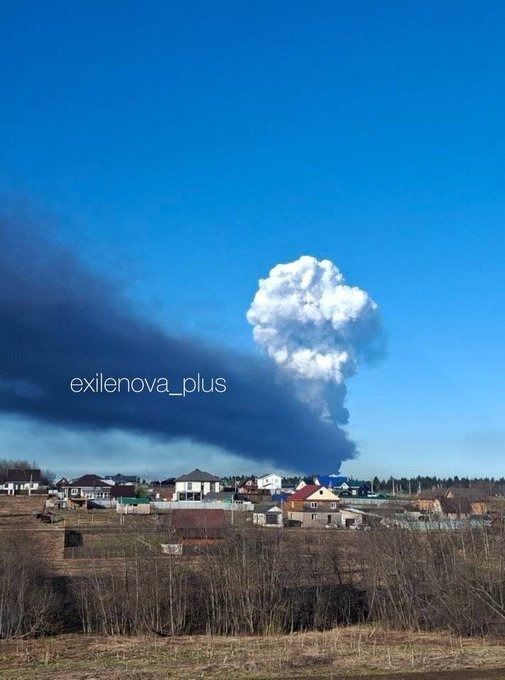
Images and video: Eyewitness footage shared by local residents on Russian social media and Telegram channels, via the Ukrainian OSINT monitoring channel Exilenova+ (Telegram).
Repairing specialized infrastructure like pumping stations and distillation units is challenging under Western sanctions, which limit access to advanced technology and components. Russian authorities have had to rely on domestic solutions or workarounds, often resulting in longer downtime.
While Russia has managed to maintain some export levels through alternative routes and shadow fleets in the past, repeated hits on both processing and transportation assets could begin to affect overall production and revenue more significantly. Global oil markets are watching closely, though the immediate price impact has so far been moderated by other factors, including the ongoing situation in the Middle East.
Broader Context and Risks
This campaign reflects a shift in Ukraine’s approach to long-range strikes. Rather than focusing solely on military targets near the front lines, Kyiv is increasingly hitting deep economic assets inside Russia. The strategy aims to impose real costs on Moscow and potentially force it to divert air defenses and resources away from the battlefield.
For Russia, the attacks expose vulnerabilities in its vast energy infrastructure, much of which was built decades ago and is spread across enormous territory. Protecting every pumping station, refinery, and export terminal is practically impossible, especially against low-cost, long-range drones that are difficult to detect and intercept in large numbers.
Environmental risks are another concern. Large fires at oil facilities can release significant pollution, and incidents like the reported “oil rain” in Perm highlight potential damage to surrounding areas.
As the war enters its fifth year, both sides continue to escalate their use of drones and long-range systems. Ukraine’s ability to reach targets deep inside Russia has improved markedly, while Russia maintains its own barrage campaigns against Ukrainian energy and civilian infrastructure.
More Read

The strike on the Perm pipeline station is unlikely to be the last. With both sides locked in a war of attrition, the battle over energy infrastructure has become one of the most important secondary fronts — one that could influence not only battlefield dynamics but also the long-term economic resilience of both countries.