


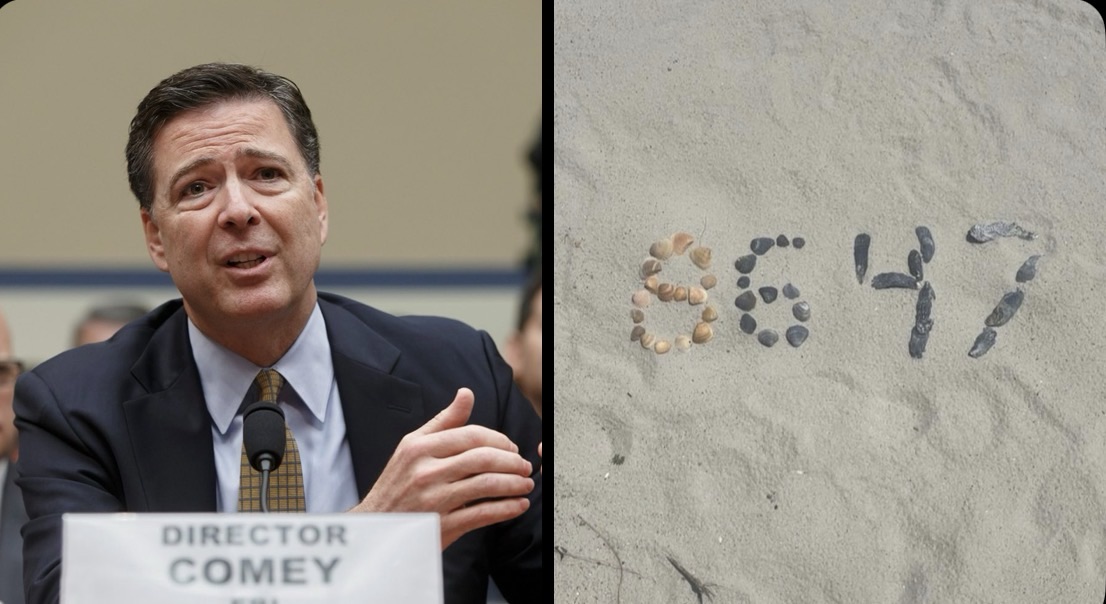
WASHINGTON — Former FBI Director James Comey faces new federal charges after a grand jury indicted him on two felony counts related to a social media post from last year. Prosecutors say the post, which showed seashells arranged to spell “86 47,” amounted to a threat against President Donald Trump. An arrest warrant was issued, though Comey is expected to surrender voluntarily rather than face a dramatic public arrest.
The indictment, returned Tuesday in the Eastern District of North Carolina, charges Comey with knowingly making a threat to take the life of or inflict bodily harm on the president, and with transmitting that threat in interstate commerce. Both counts carry potential prison time if he is convicted. Acting Attorney General Todd Blanche announced the charges, describing them as a serious matter involving direct threats to the nation’s leader.
This marks the second time the Trump administration’s Justice Department has pursued criminal charges against Comey. A previous case was dismissed late last year, but prosecutors have now brought a new indictment focused on the Instagram post from May 2025.
What the Controversial Post Showed
The image in question depicted seashells on a North Carolina beach arranged in the shape of the numbers “86 47.” Federal prosecutors interpret “86” as slang for getting rid of something or someone, and “47” as a reference to Trump as the 47th president. They argue the post crossed the line into a prohibited threat.
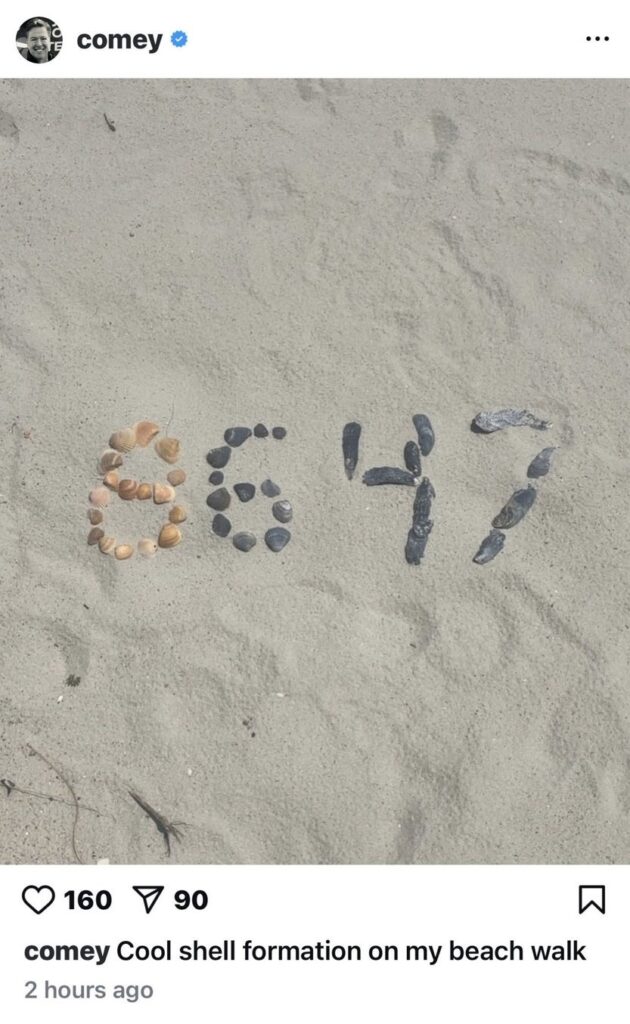
Comey has strongly denied any violent intent. He has described the arrangement as a lighthearted message about the “86th day of the 47th presidency” or a simple beach photo with no deeper meaning. His supporters call the prosecution an example of political retaliation, while critics say public figures must be held accountable when their words could be seen as inciting harm.
More Read

Legal experts note that threat cases often hinge on context and whether a reasonable person would interpret the message as a genuine call for violence. Comey’s team is expected to argue that the post was protected speech and lacked any real intent to threaten.
Background and Long-Running Tensions
Comey’s relationship with Trump has been strained since 2017, when Trump fired him as FBI director amid the Russia investigation. Comey later became a vocal critic of the president, releasing a book and giving frequent interviews that painted an unflattering picture of Trump’s conduct in office.
The current case fits into a broader pattern of legal actions the Justice Department has taken against former officials from the previous administration. Supporters of the president view these moves as necessary accountability for what they call years of unfair treatment and weaponization of federal agencies. Opponents see them as selective prosecution aimed at settling old scores.
More Read

This latest indictment comes after an earlier attempt to charge Comey was dismissed on procedural grounds. The new filing appears designed to overcome those previous legal hurdles.
What Happens Next
Comey is expected to surrender to federal authorities as early as Wednesday. Sources familiar with the process say discussions between his legal team and prosecutors have focused on a voluntary appearance to avoid any unnecessary spectacle. He is likely to be processed, appear before a judge for an initial hearing, and then released under certain conditions while the case proceeds.
The charges will now move through the federal court system. Comey’s attorneys are expected to file motions to dismiss, arguing that the indictment violates free speech protections and represents vindictive prosecution. The case could take many months to resolve, possibly stretching into appeals if there is a conviction.
Legal observers point out that successful prosecutions for threats against the president are relatively rare when the language is indirect or symbolic, as it is here. However, the fact that an arrest warrant was issued suggests prosecutors believe they have enough evidence to move forward.
Reactions Pour In
The announcement quickly divided opinion along familiar political lines. Trump allies celebrated the development as long-overdue justice. Critics, including some former law enforcement officials and civil liberties groups, warned that the case could chill public discourse and set a dangerous precedent for how government officials or private citizens express criticism of the president.
Democrats in Congress called the charges politically motivated, while some Republicans said no one should be above the law, especially when it comes to threats against elected leaders.

Comey himself has remained relatively quiet since the indictment became public, though he has previously stated that he intends to fight any charges vigorously and maintains his innocence.
Broader Context in a Polarized Era
The case arrives at a time when public trust in institutions remains low and political rhetoric stays heated. It raises larger questions about the boundaries between strong criticism, protected speech, and illegal threats in the age of social media. When a former top law enforcement official posts something open to multiple interpretations, how should authorities respond?
For many Americans, the story is less about the specific seashell photo and more about the ongoing battles between Trump and the officials who investigated or opposed him during his first term. Whether this indictment represents accountability or retribution will likely depend on one’s political perspective.
As Comey prepares to appear in court, the legal process will now determine whether the charges hold up or join the list of dismissed cases. In the meantime, the development adds another chapter to one of the most contentious public feuds in recent American political history.
The coming weeks will bring more clarity on the strength of the government’s case and how Comey’s legal team plans to defend against it. For now, the former FBI director finds himself once again at the center of a high-profile legal fight with significant political implications.