

NEW YORK — Several high-profile Hollywood celebrities, including Meryl Streep, reportedly skipped this year’s Met Gala in protest after Amazon founder Jeff Bezos and his wife Lauren Sánchez became major sponsors of fashion’s biggest night.
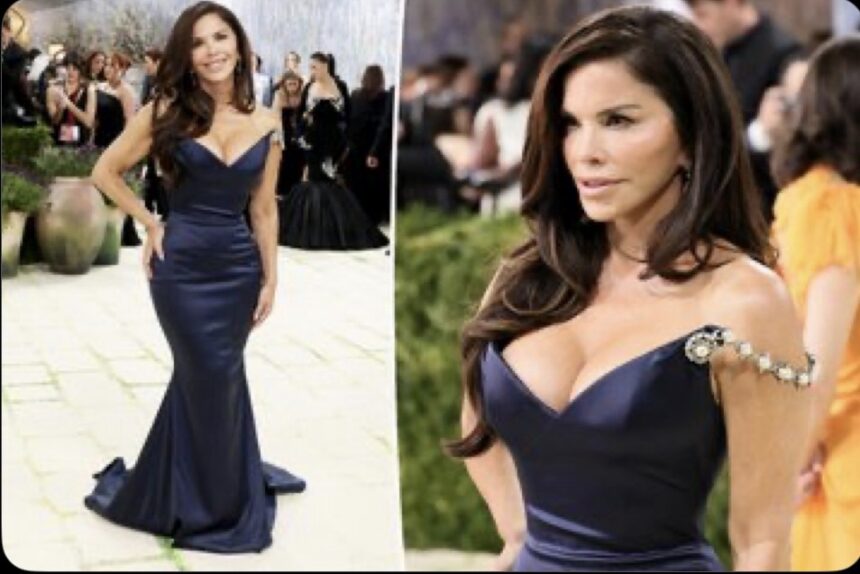
The high-profile fundraiser and fashion showcase, held annually at the Metropolitan Museum of Art, saw noticeable absences from some A-list stars who made it clear they were unhappy with Bezos’ involvement. Lauren Sánchez served as one of the co-chairs, drawing extra attention to the couple’s prominent role.
Activists also spent the night projecting messages such as “Boycott the Bezos Met Gala” onto buildings near the venue, turning the glamorous event into a symbol of Hollywood’s internal divisions over wealth, politics, and personal relationships.
While many celebrities still attended and the red carpet proceeded with its usual spectacle, the boycott and public protests added an undercurrent of tension to what is traditionally one of the most exclusive nights in entertainment and fashion.
Why Some Stars Stayed Away
Sources close to the event say a number of prominent figures declined invitations specifically because of Bezos’ sponsorship. Meryl Streep, a longtime Met Gala regular and vocal progressive voice, was among those who chose not to attend. Other A-listers followed suit, citing discomfort with Bezos’ enormous wealth, Amazon’s labor practices, or personal objections to the couple’s high-profile relationship.
More Read

The protest reflects deeper tensions within Hollywood. Some celebrities and activists view Bezos; one of the world’s richest men as emblematic of unchecked corporate power. Others appear uncomfortable with Lauren Sánchez’s rapid rise into elite social circles following Bezos’ divorce from his longtime wife MacKenzie Scott.
Public reactions were sharply divided. Many online commentators mocked the boycott as rich elites fighting among themselves over a lavish party, with comments such as “Rich people boycotting rich people at a pointless event” going viral. Others saw it as genuine principle, arguing that accepting money from Bezos while criticizing billionaires exposes hypocrisy in Hollywood circles.
Lauren Sánchez’s Role and Public Appearance
Lauren Sánchez, a former television journalist turned philanthropist and Bezos’ partner, co-chaired the gala. She arrived with Bezos and appeared confident on the red carpet. Supporters praised her poise and style, while critics used the moment to highlight what they called the couple’s extravagant lifestyle and Bezos’ business empire.
More Read

The couple has donated billions to various causes in recent years, including climate initiatives, education, and progressive organizations. However, those donations have not shielded them from criticism, particularly from left-leaning Hollywood figures who remain wary of Bezos due to Amazon’s history with labor unions and its massive market power.
The Met Gala’s Changing Landscape
The Met Gala has long been more than a fashion event — it is a major fundraising vehicle for the Metropolitan Museum of Art’s Costume Institute and a stage for celebrities to make political and cultural statements. In recent years, it has increasingly become a battleground for activism, with stars using their outfits and presence (or absence) to signal their values.
This year’s boycott adds to a growing list of celebrity-led protests against corporate sponsors and billionaires. It also highlights shifting dynamics in Hollywood, where personal relationships, wealth, and political signaling often collide in public view.
While the event itself remained glamorous and well-attended by many major stars, the absences and protests ensured that the conversation extended beyond fashion into questions of wealth, power, and consistency among the entertainment elite.
Broader Cultural Reaction
Public sentiment outside Hollywood leaned heavily toward indifference or mockery. Many Americans viewed the boycott as an irrelevant dispute among extremely wealthy people, especially at a time when global conflicts, economic pressures, and other serious issues dominate the news.
Social media was filled with comments pointing out the irony: celebrities who frequently lecture the public on social justice choosing to boycott an event over one billionaire sponsor while happily working with others or enjoying the benefits of corporate-backed careers.
More Read

For Bezos and Sánchez, the night appeared to be a success despite the protests. Their visible presence and sponsorship role underscored their growing influence in elite cultural and philanthropic circles.
As the dust settles on another Met Gala, the event once again revealed more about Hollywood’s internal politics and moral posturing than about fashion itself. Whether this boycott leads to any meaningful change in how the gala selects sponsors or remains a one-night symbolic gesture remains to be seen.