

Washington restarts air shipments of U.S. currency to Baghdad, easing economic pressure amid shifting dynamics with Iran-backed groups.
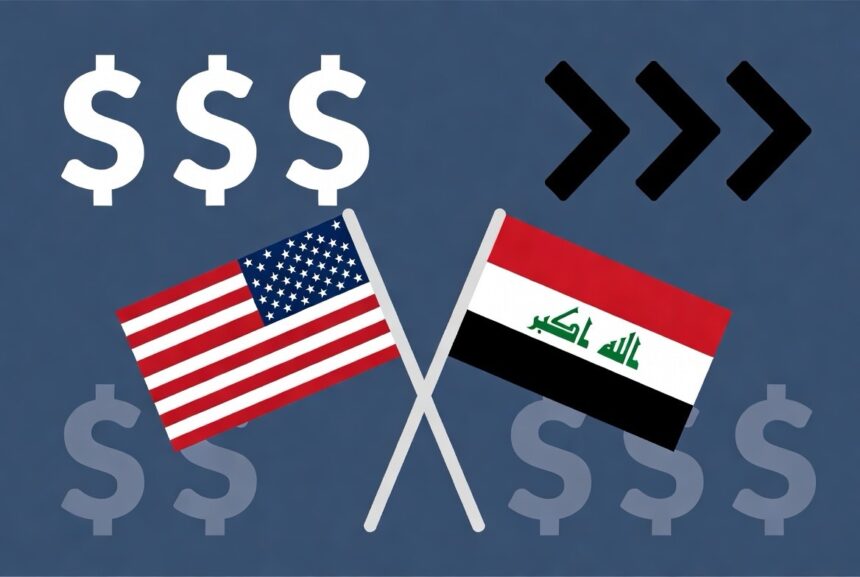
The United States has resumed some air shipments of U.S. dollars to Iraq after suspending them for several months, according to reports from Iraqi government officials. The move marks a significant development in bilateral financial relations under the Trump administration and Iraq’s new leadership.
Why the U.S. Suspended Dollar Shipments
In April 2026, the Trump administration halted physical deliveries of U.S. dollar banknotes to Iraq. These shipments typically involve hundreds of millions of dollars in cash proceeds from Iraq’s oil exports, which are held in accounts at the Federal Reserve Bank of New York and flown to Baghdad for circulation in the local economy.
The suspension was part of a broader pressure campaign aimed at curbing the influence of Iran-backed militias in Iraq. U.S. officials expressed concerns that some dollars could indirectly benefit Tehran or be diverted through illicit channels. Security cooperation programs with Iraqi forces were also paused during this period.
Resumption Confirmed by Iraqi Officials
On July 2, 2026, Iraqi officials announced that the dollar shipments have resumed. Haider al-Aboudi, spokesman for Iraq’s Prime Minister Ali al-Zaidi, stated that “the dollar shipments to Iraq have resumed” and “the problem has been resolved.”
More Read

Financial adviser to the prime minister, Mudhar Muhammad Salih, also confirmed the restart of transfers.
The resumption comes after diplomatic efforts and signals from Baghdad that it is addressing U.S. concerns regarding militia activities.
Impact on Iraq’s Economy
Iraq’s economy remains heavily cash-based, with the U.S. dollar serving as a critical parallel currency alongside the Iraqi dinar. Oil revenues; Iraq’s primary income source are largely denominated in dollars, and physical cash shipments help maintain liquidity in the banking system and support everyday transactions.
More Read
The months-long halt reportedly created strains on currency markets and liquidity. Restarting shipments is expected to:
- Stabilize the dinar’s exchange rate
- Improve confidence in the financial system
- Ease pressure on businesses and importers
- Support Iraq’s broader economic recovery efforts
What Remains Suspended
While dollar transfers have restarted, some U.S. security cooperation and funding for Iraqi security services remain on hold. This indicates a cautious, phased approach to normalizing relations rather than a full reset.
Broader Context: U.S.-Iraq Relations and Iran
The decision reflects the complex interplay of U.S. strategic interests in the Middle East, Iraq’s internal politics, and ongoing tensions with Iran. Iraq has long walked a tightrope between its alliance with the United States and significant Iranian influence through political factions and armed groups.
The new Iraqi prime minister’s focus on disarmament and improved governance appears to have contributed to the breakthrough. Analysts view the resumption as a pragmatic step that could open doors for further dialogue on security and economic cooperation.
What’s Next?
The restart of dollar shipments is being closely watched by markets, banks, and regional powers. It could:
- Boost short-term economic stability in Iraq
- Encourage further steps toward reducing militia influence
- Pave the way for renewed security talks between Washington and Baghdad
However, full normalization will likely depend on sustained progress in curbing Iran-linked activities and broader diplomatic engagement.
More Read

This development underscores how financial levers remain a powerful tool in U.S. foreign policy, even as both sides seek pragmatic solutions in a volatile region.
Key Takeaways
- U.S. resumes dollar air shipments to Iraq after months-long pause
- Suspension was tied to pressure on Iran-backed militias
- Iraqi officials confirm “problem has been resolved”
- Move expected to ease liquidity strains and support economic stability
- Some security cooperation still paused
Stay tuned for updates as more details emerge on the scale of resumed shipments and any accompanying policy shifts.