

Berlin is making a direct pitch to Washington: allow German factories to help build American long-range weapons on German territory. The proposal, floated ahead of next week’s NATO summit in Ankara, centers on co-producing Tomahawk cruise missiles and PAC-3 Patriot air-defense interceptors.
The move comes as U.S. defense contractors struggle with heavy backlogs largely tied to the recent conflict involving Iran while Germany seeks to strengthen its own long-range strike and air-defense capabilities without waiting on delayed U.S. deliveries.
What Germany Is Asking For
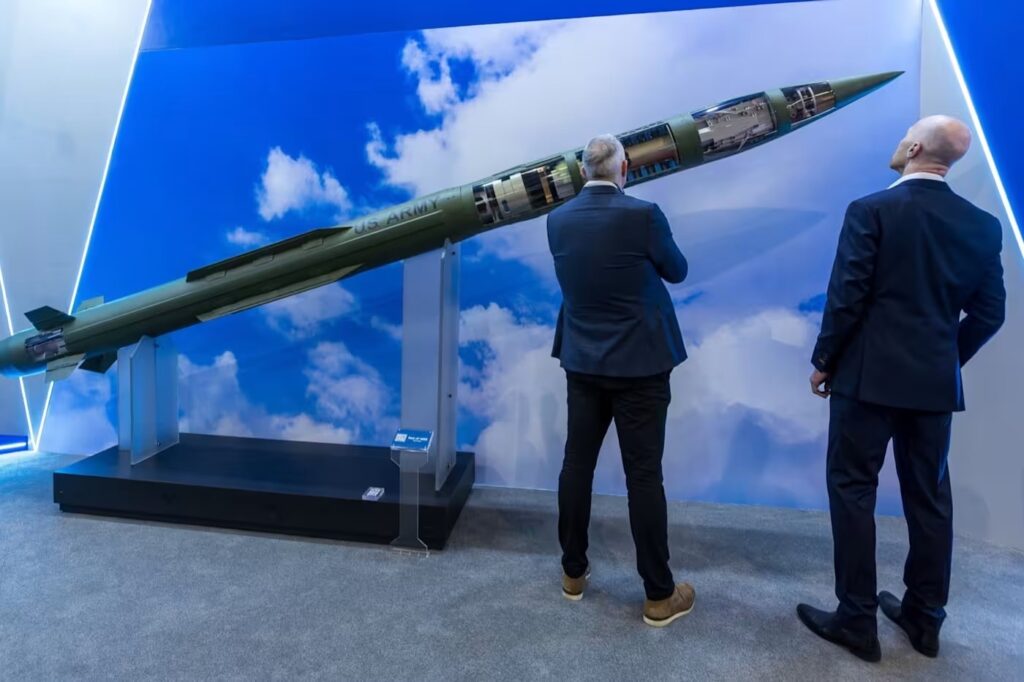
Source: Lockheed Martin / U.S. Army Acquisition Support Center
German officials are reportedly seeking U.S. approval for co-production deals that would let German industry manufacture key American weapon systems domestically. The talks specifically include:
- Long-range Tomahawk missiles — the same cruise missiles Germany had been hoping to acquire or host.
- PAC-3 Patriot interceptors — critical components of the widely used air and missile defense system.
This isn’t about Germany going its own way on weapons design. It’s about using existing U.S. technology and production know-how right in Germany, with Washington’s blessing.
Background: A Canceled Deployment and Shifting Priorities
The request follows the Pentagon’s decision in May to pull back on earlier plans to station Tomahawk missiles in Germany. That reversal came amid broader U.S. concerns about Russian reactions and strained American missile stockpiles after months of high operational tempo.
More Read

German Chancellor Friedrich Merz had already publicly expressed frustration over delays in acquiring Tomahawks, noting that Berlin had formally requested the systems more than a year earlier. The new co-production idea appears to be Berlin’s pragmatic workaround: instead of waiting for finished missiles from overloaded U.S. lines, Germany offers to help build them locally.
Why This Matters Now
U.S. defense manufacturers are reportedly swamped with orders linked to the Iran conflict. That creates both a problem and an opportunity. Germany is positioning itself as a partner that can relieve some of that pressure while gaining faster access to the weapons it wants for its own deterrence posture.
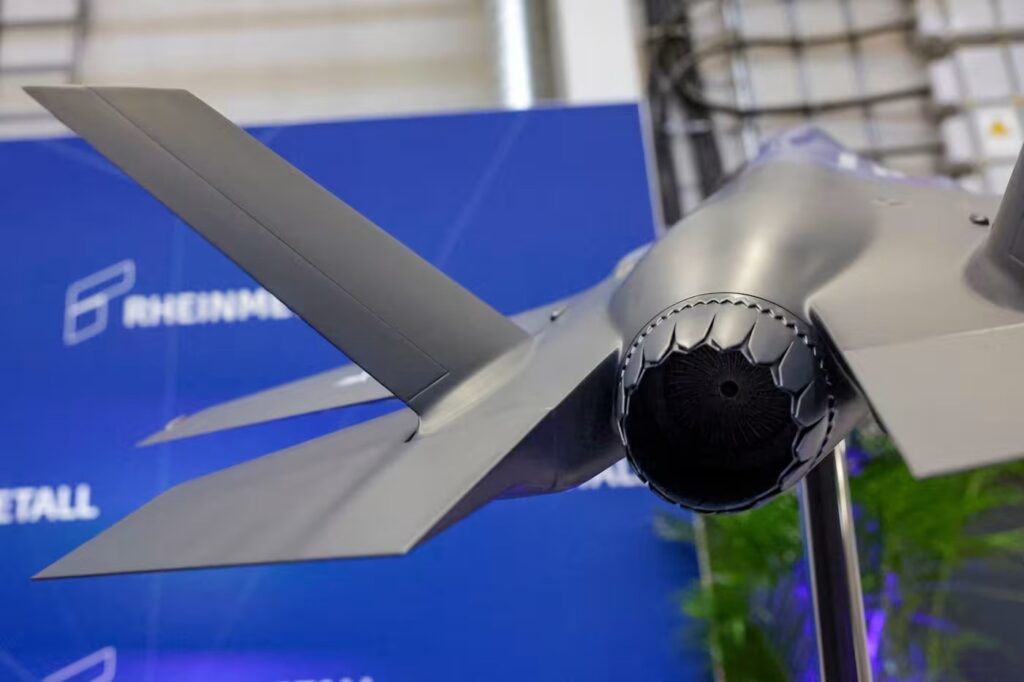
Source: Rheinmetall Media Relations / ILA Berlin 2026 Press Office
For Washington, the deal could serve multiple purposes:
More Read

- Ease production bottlenecks.
- Deepen industrial ties with a key NATO ally.
- Demonstrate continued U.S. technological leadership even as Europe ramps up its own defense spending.
The timing is deliberate. The proposal is being advanced just days before NATO leaders gather in Ankara on July 7–8, 2026. Defense industry cooperation and transatlantic burden-sharing are expected to be major themes at the summit.
Political Realities: Merz and Trump
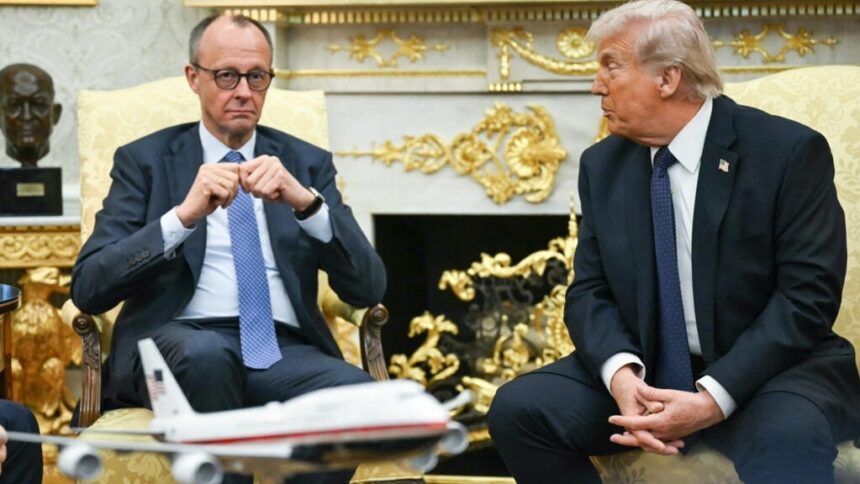
Any agreement will ultimately depend on politics as much as technical or industrial factors. Relations between Chancellor Merz and President Trump have been strained in recent months, particularly over the handling of the Iran conflict and broader questions about U.S. troop presence in Europe.
The two leaders are not always aligned on strategy or timing, which adds another layer of complexity to these defense talks. Still, both sides have strong incentives to find common ground on industrial cooperation; Germany wants capability quickly, and the U.S. wants to maintain influence over key European defense programs.
What Comes Next?
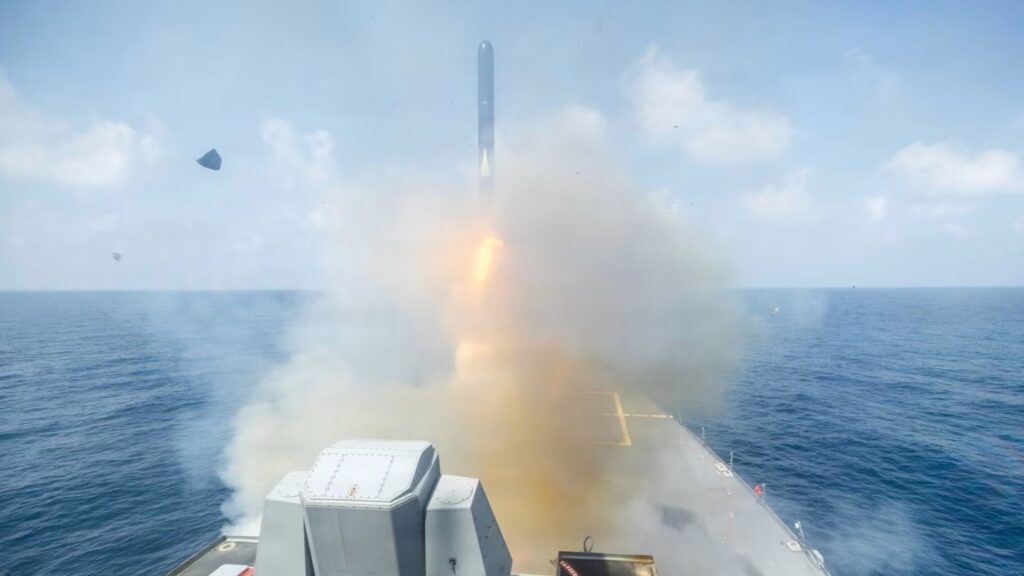
Source: U.S. Navy Office of Information / Naval Sea Systems Command
Nothing is finalized yet. The discussions are at an early stage and will likely require high-level political approval on both sides. Success would mark a notable shift toward more integrated U.S.-German defense manufacturing, potentially setting a precedent for other European allies.
For Germany, it would represent another step in its ongoing effort to rebuild credible conventional deterrence after years of underinvestment. For the United States, it offers a way to keep allies equipped while managing its own production constraints.
As NATO prepares for its Ankara summit, this German initiative is shaping up to be one of the more interesting behind-the-scenes stories a pragmatic attempt to turn a production headache into a strategic win for both countries.