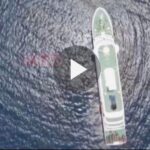


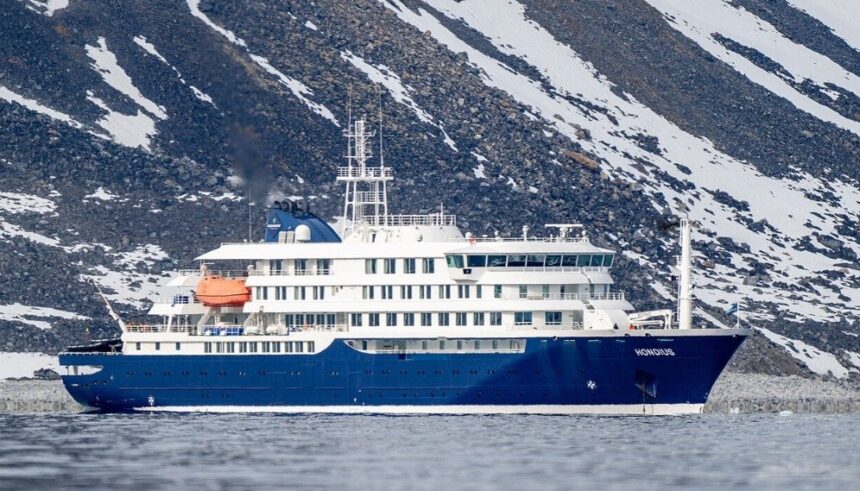
MADRID — Seventeen American passengers remain aboard the MV Hondius cruise ship as it speeds toward Tenerife in Spain’s Canary Islands following a hantavirus outbreak that has already caused three deaths and infected five others.
The expedition vessel, which was returning from Antarctica, is now under full quarantine protocols. The World Health Organization (WHO), U.S. Centers for Disease Control and Prevention (CDC), and European Centre for Disease Prevention and Control (ECDC) are all actively involved in monitoring the situation and preparing for the ship’s arrival.
Health officials have confirmed the cases involve the Andes virus strain of hantavirus, which is known for its severity and rare ability to transmit between humans under close-contact conditions. There is currently no vaccine or specific antiviral treatment available for hantavirus, and severe cases can have a mortality rate of up to 40%.
The ship was denied port access by several locations, including Cape Verde, before Spanish authorities agreed to accept it under strict isolation measures. Passengers and crew are being kept completely separated from the public as the vessel approaches the Canary Islands.
The Situation Onboard
The MV Hondius left Ushuaia, Argentina, carrying 147 passengers and crew for an Antarctica expedition. Symptoms first appeared in early April. Three people have died so far, and five others are confirmed infected. Among the fatalities is reportedly a Dutch couple. The 17 American passengers are part of the larger group now racing toward Tenerife.
More Read

Spanish health authorities have emphasized that the entire ship will remain in quarantine upon arrival. All individuals onboard will undergo thorough medical screening, testing, and continued isolation to prevent any potential spread on land.
The WHO has described the global risk as low for the general population but has urged vigilance, particularly for those who may have had close contact with infected individuals. Supportive care remains the only available treatment, focusing on managing severe respiratory or kidney complications.
No Vaccine or Specific Treatment
Hantavirus infections, especially the pulmonary form, can progress rapidly and become life-threatening. Medical experts stress that there is no approved vaccine or antiviral drug specifically targeting the virus. Care is limited to hospitalization, oxygen support, mechanical ventilation if needed, and dialysis in cases of kidney failure.
More Read

The absence of targeted treatments makes containment and early detection critical. This is why authorities have placed such heavy emphasis on keeping the ship isolated and preventing any uncontrolled disembarkation.
A separate hantavirus case reported in Israel was confirmed to be unrelated to the cruise ship outbreak and was acquired during travel in Eastern Europe.
Public Concern and Misinformation
The story has generated significant attention online, with many focusing on the reported 40% mortality rate and the lack of specific treatment. Some posts have drawn comparisons to the early stages of the COVID-19 pandemic, while others have warned against panic.
Health organizations have worked to provide clear information, noting that most hantavirus cases are linked to rodent exposure rather than sustained human-to-human transmission. The confined environment of a cruise ship, however, creates unique risks that require careful management.
The involvement of the CDC reflects the presence of American citizens on board and the need to coordinate international response efforts. U.S. health officials are working closely with Spanish and European counterparts to ensure the safe handling of the 17 American passengers once the ship reaches Tenerife.
What Happens Next
The MV Hondius is expected to arrive in the Canary Islands in the coming days. Spanish authorities, supported by the WHO, CDC, and ECDC, will conduct extensive testing, contact tracing, and medical evaluations. The priority is to contain the outbreak and provide appropriate care to those affected while protecting public health on land.
More Read

For the passengers and crew, the journey has turned into an unexpected ordeal marked by isolation and uncertainty. For public health officials, it represents a test of rapid response systems in an era of global travel and emerging zoonotic threats.
As the ship approaches Tenerife, the focus remains on safety, transparency, and preventing further spread. While the risk to the general population is considered low, the situation serves as a reminder of the persistent challenges posed by infectious diseases that can emerge in remote or confined settings.