

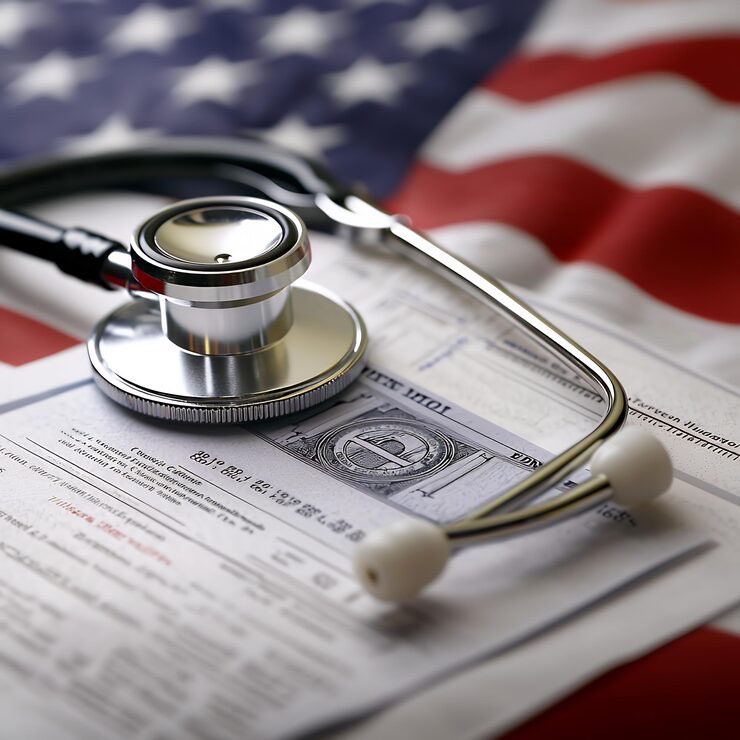
WASHINGTON — The Trump administration has quietly lifted a visa processing freeze that had been affecting foreign-trained physicians, including thousands of doctors from Nigeria and other countries.
The Department of Homeland Security and U.S. Citizenship and Immigration Services (USCIS) have now confirmed that physicians are formally exempt from the recent travel-ban-related suspension that had stalled visa renewals and green card applications for medical professionals from 39 designated countries.
The policy reversal comes after months of complaints from hospitals and healthcare systems across the United States. Many facilities reported being forced to place doctors on administrative leave, cancel surgeries, and delay patient care due to the sudden halt in processing work permits and visas for internationally trained medical staff.
The change has been welcomed with relief by Nigerian doctors and other foreign medical graduates who had seen their careers put on hold. For many, the exemption represents a major breakthrough after weeks of uncertainty and financial hardship.
What Changed and Why It Matters
For several months, a “silent” processing pause had been in effect for nationals from 39 countries, including Nigeria. This led to widespread disruption in the American healthcare system, which relies heavily on foreign-trained doctors to fill staffing shortages, especially in rural and underserved areas.
More Read

Hospitals and medical associations had quietly lobbied the administration, warning that the freeze was creating dangerous gaps in patient care. The exemption for physicians appears to be a pragmatic acknowledgment that the U.S. cannot afford to lose a significant portion of its medical workforce at a time when demand for healthcare services remains high.
USCIS has updated its official guidance to reflect that doctors are now exempt from the suspension. This allows affected physicians to resume the processing and renewal of their visas and work authorizations without fear of sudden deportation or job loss.
The move is particularly significant for Nigerian doctors, many of whom have passed the USMLE (United States Medical Licensing Examination) and were waiting to begin or continue their residencies and practices in the U.S.
More Read
Reactions from the Medical Community
The announcement has sparked celebration among Nigerian and other foreign medical professionals. Many took to social media to express relief, with some tagging colleagues and sharing messages of encouragement.
Doctors described the policy reversal as a “massive sigh of relief” after months of anxiety. Some had already begun making alternative career plans or considering opportunities in other countries due to the uncertainty.
Healthcare staffing experts note that foreign-trained physicians play a vital role in the U.S. system. International medical graduates make up a substantial percentage of doctors in certain specialties and regions. Any prolonged disruption to their ability to work can quickly translate into longer wait times, canceled procedures, and increased strain on American-trained doctors.
Broader Context of the Policy Shift
The original processing freeze was part of the Trump administration’s broader efforts to tighten immigration controls and review entries from certain countries. However, the healthcare sector emerged as an exception due to practical realities.
This exemption for physicians fits a pattern seen in previous administrations, where critical workforce shortages especially in medicine, nursing, and STEM fields have sometimes led to targeted carve-outs in immigration policy.
While the change has been welcomed by the medical community, some immigration hardliners have criticized it as a softening of the administration’s stance. Others argue that the U.S. should focus more on training and retaining American doctors rather than relying so heavily on foreign talent.
More Read
What This Means Going Forward
For Nigerian doctors and other affected professionals, the path is now clearer. Those whose applications were stalled can resume the process, and current visa holders should be able to renew without the previous freeze applying.
However, the broader immigration framework remains strict, and the exemption applies specifically to physicians. Other professionals from the affected countries may still face delays or restrictions.
The policy reversal also highlights the complex balance the Trump administration must strike between its immigration priorities and the practical needs of key sectors like healthcare.
As the United States continues to face doctor shortages in many parts of the country, this decision may serve as a temporary bridge while longer-term solutions such as expanding domestic medical training and residency slots are pursued.
For now, thousands of foreign-trained doctors, particularly from Nigeria, can breathe easier knowing their careers in the U.S. are no longer in limbo.