


May 7, 2026 — A cluster of hantavirus cases aboard an international cruise ship has once again brought attention to this rare but often fatal virus. As of early May 2026, the World Health Organization (WHO) has reported seven cases linked to the MV Hondius, which departed from Ushuaia, Argentina, in March. Two cases have been laboratory-confirmed, five are suspected, and three people have died, with one patient in critical condition in South Africa.
While hantavirus infections remain uncommon globally, this incident — involving passengers from multiple countries — has sparked renewed interest in how the virus spreads, why it can be so dangerous, and what ordinary people can do to protect themselves. Unlike respiratory viruses that spread easily from person to person, hantavirus is primarily a rodent-borne pathogen, making its patterns and risks distinctly different from more familiar illnesses like COVID-19.
What Is Hantavirus?
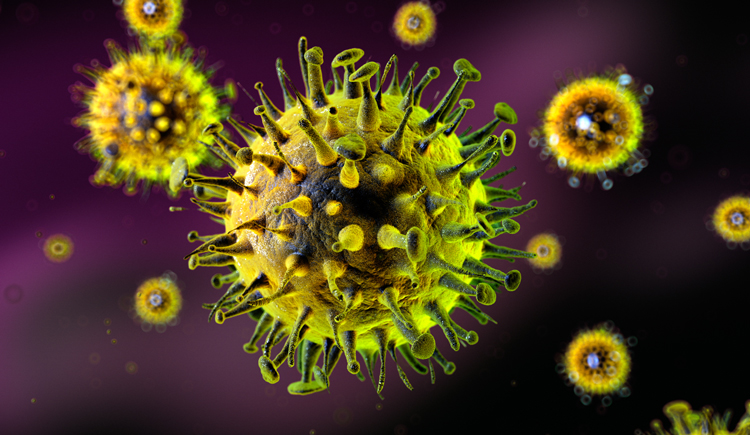
Microscopic illustration of virus particles used to represent viral transmission and infectious disease.” (I stock)
Hantaviruses are a family of viruses carried by rodents such as deer mice, cotton rats, and bank voles. Different strains exist around the world. In the Americas, they often cause Hantavirus Pulmonary Syndrome (HPS), a severe respiratory illness. In Europe and Asia, related strains more commonly cause Hemorrhagic Fever with Renal Syndrome (HFRS), which primarily affects the kidneys.
The virus does not make rodents sick, but infected animals shed it in their urine, droppings, and saliva. Humans become infected mainly by breathing in tiny airborne particles when these materials are disturbed for example, during cleaning, construction, or camping. Rodent bites or touching contaminated surfaces and then touching the face can also transmit the virus, though these routes are less common.
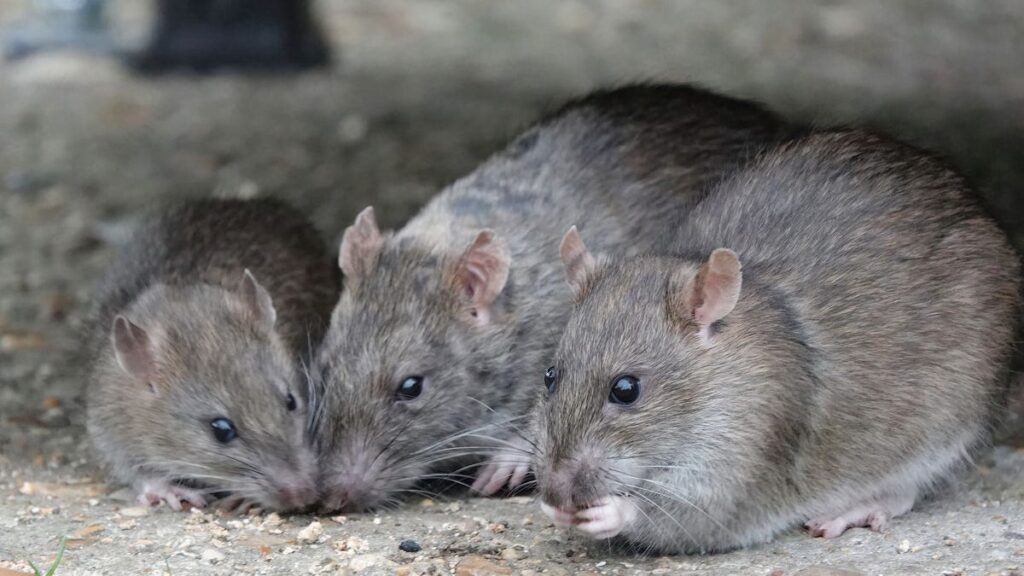
Although hantavirus is usually transmitted through contact with infected rodent droppings, experts say the close quarters of the vessel could have amplified the risk. (iStock)
Importantly, most hantavirus strains do not spread easily between people. The Andes virus strain found in parts of South America is a rare exception, with limited evidence of person-to-person transmission in very close contact settings. Health authorities emphasize that the risk of widespread community spread remains very low.
More Read

The 2026 Cruise Ship Cluster
The current focus is on the MV Hondius cruise ship. As of May 4, 2026, seven individuals aboard showed symptoms of severe respiratory illness. Two have tested positive for hantavirus, and investigations point to possible exposure before boarding in Argentina. Three passengers have died, and one remains critically ill.

The ship carried 147 people from 23 countries. Health authorities in the UK, Netherlands, South Africa, and Cabo Verde are involved in contact tracing and monitoring. The European Centre for Disease Prevention and Control (ECDC) has assessed the risk to the general European population as “very low,” noting that appropriate infection control measures are in place.
This outbreak is unusual because cruise ships are not typical environments for hantavirus transmission. Experts believe the initial infection likely occurred on land, possibly through contact with rodent droppings in a cabin or storage area, before the ship departed. Limited person-to-person spread among close contacts cannot be ruled out and is under investigation.
More Read

Symptoms: How to Recognize Hantavirus
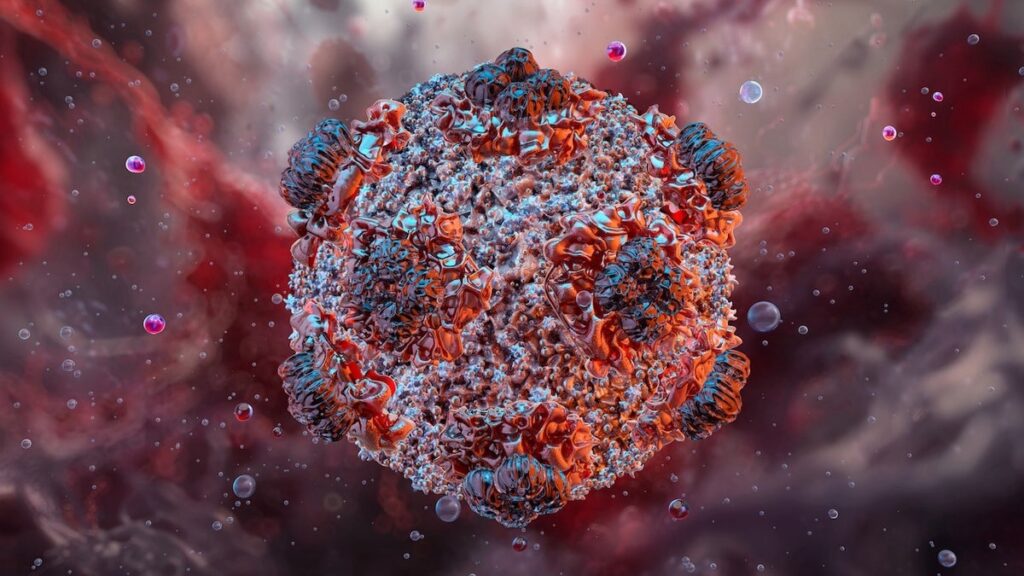
“It most often gets into the air when the rodent nest is disturbed, such as when being cleaned up. It is then inhaled into the lungs,” an expert told Fox News Digital about the virus. (iStock)
Hantavirus infections often begin with flu-like symptoms that can easily be mistaken for other illnesses. Early signs usually appear 1 to 8 weeks after exposure and may include:
- Fever and chills
- Muscle aches (especially in the large muscle groups)
- Headache
- Fatigue and dizziness
- Nausea, vomiting, or diarrhea
- Abdominal pain
In HPS cases, the illness can rapidly progress after a few days to severe respiratory distress. Patients may develop a dry cough, shortness of breath, and fluid buildup in the lungs, leading to low blood pressure and heart complications. Without prompt medical care, the condition can become life-threatening.
The case fatality rate for HPS in the Americas is often reported between 30% and 50%, though early supportive care improves survival chances. In contrast, HFRS strains in Asia and Europe tend to have lower fatality rates but can cause significant kidney damage.
Diagnosis and Treatment
There is no specific antiviral drug approved for hantavirus. Diagnosis typically involves blood tests to detect antibodies or viral genetic material, along with clinical evaluation of symptoms and possible rodent exposure history.
Treatment is supportive. Patients with severe HPS often require hospitalization in intensive care units. Doctors focus on managing breathing difficulties, maintaining blood pressure, and providing oxygen or, in extreme cases, extracorporeal membrane oxygenation (ECMO) to support heart and lung function while the body fights the infection.
Early recognition is critical. People who develop flu-like symptoms after potential rodent exposure — such as cleaning sheds, cabins, or garages — should seek medical attention promptly and inform their doctor about any possible contact with mice or rats.
More Read

Prevention: The Best Defense
Because there is no vaccine widely available for most hantavirus strains, prevention centers on avoiding contact with rodents and their waste. Health authorities recommend the following practical steps:
- Seal holes and gaps in homes, cabins, and outbuildings to keep rodents out.
- Store food in airtight containers and dispose of garbage properly.
- Use gloves and a mask when cleaning areas that may have rodent droppings. Wet the area with disinfectant first to avoid stirring up dust, then clean thoroughly.
- Avoid sweeping or vacuuming dry droppings, as this can aerosolize the virus.
- When camping or hiking, use tents with floors and avoid areas with obvious rodent activity.
In rural or wooded areas, especially in the southwestern United States, the Four Corners region, and parts of South America, extra caution is advised during spring and fall when rodent populations can peak.
Hantavirus vs. COVID-19: Key Differences
With recent global health events still fresh in many minds, it is common for people to compare hantavirus to COVID-19. While both can cause severe respiratory illness, they differ significantly:
- Transmission: Hantavirus spreads primarily through rodent excreta, not easily from person to person (except in rare cases with certain strains). COVID-19 spreads readily through respiratory droplets and aerosols.
- Incubation Period: Hantavirus symptoms can take 1–8 weeks to appear, while COVID-19 symptoms usually develop within 2–14 days.
- Fatality Rate: HPS has a much higher case fatality rate in severe cases compared to most COVID-19 variants, but hantavirus infections are far rarer.
- Prevention: Rodent control is the cornerstone for hantavirus, whereas vaccines, masks, and ventilation are key for COVID-19.
Understanding these differences helps reduce unnecessary panic while encouraging appropriate precautions.
Global Perspective and Recent Trends
Hantavirus infections occur worldwide but at low levels. In the Americas, hundreds of cases are reported annually, with higher numbers in South America. In the United States, roughly 800–900 cases of hantavirus disease have been recorded since surveillance began in 1993, with many concentrated in the western states.
Europe sees periodic increases linked to bank vole populations, while parts of Asia report thousands of HFRS cases each year, though rates have declined in some countries thanks to improved living standards and vaccination efforts in high-risk areas.
The 2026 cruise ship cluster is a reminder that hantavirus can appear in unexpected settings when infected rodents or contaminated materials are inadvertently introduced. However, experts emphasize that the overall risk to the general public remains low when basic rodent avoidance measures are followed.
Looking Ahead
As investigations into the cruise ship cases continue, health authorities around the world are monitoring for any signs of further spread. For most people, the risk of encountering hantavirus is minimal if they take simple steps to minimize rodent contact in their homes and outdoor spaces.
Public awareness remains important. Knowing the early symptoms and understanding that prompt medical care can be lifesaving may help reduce the impact of future cases.
Hantavirus serves as a classic example of a zoonotic disease — one that jumps from animals to humans. As human activities increasingly overlap with wildlife habitats, staying informed about these threats and practicing basic prevention can go a long way toward staying safe.













Nice